
Last updated November 2, 2026
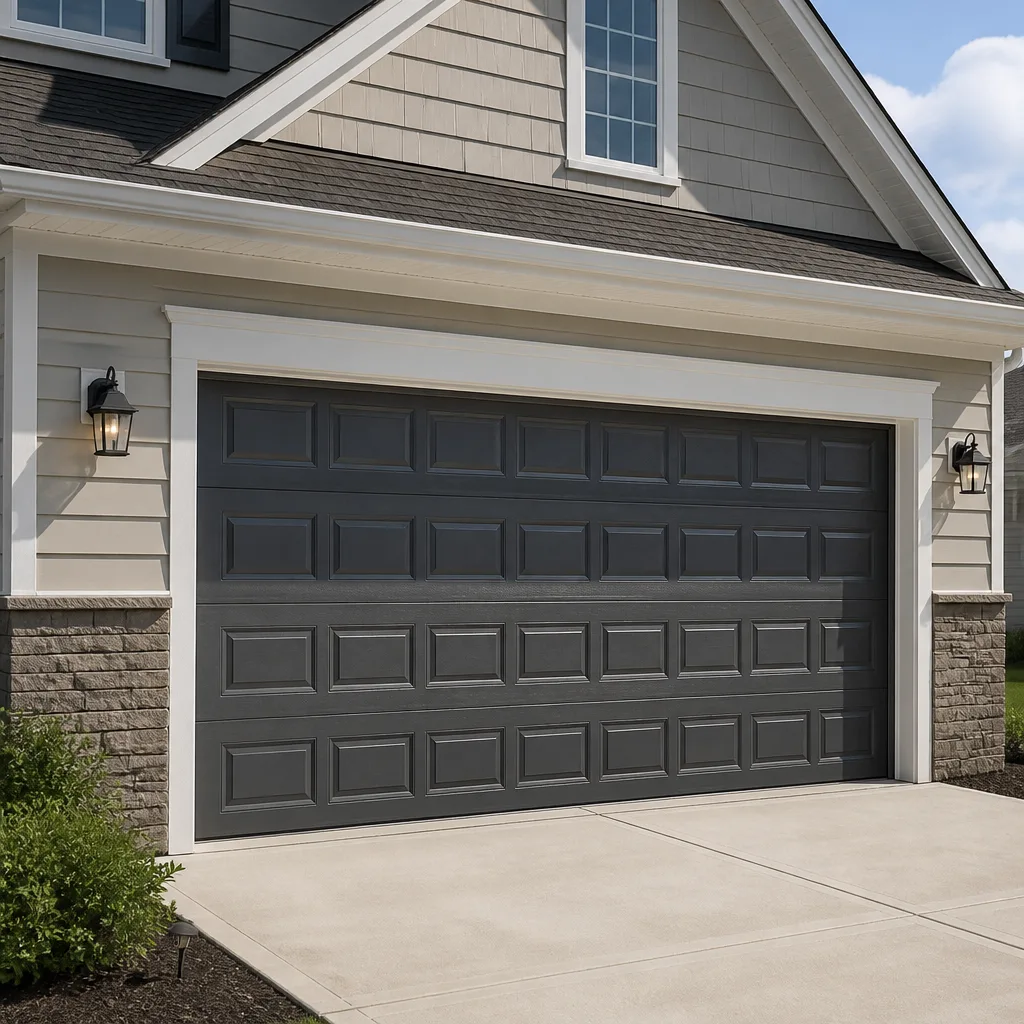 Raised-panel steel
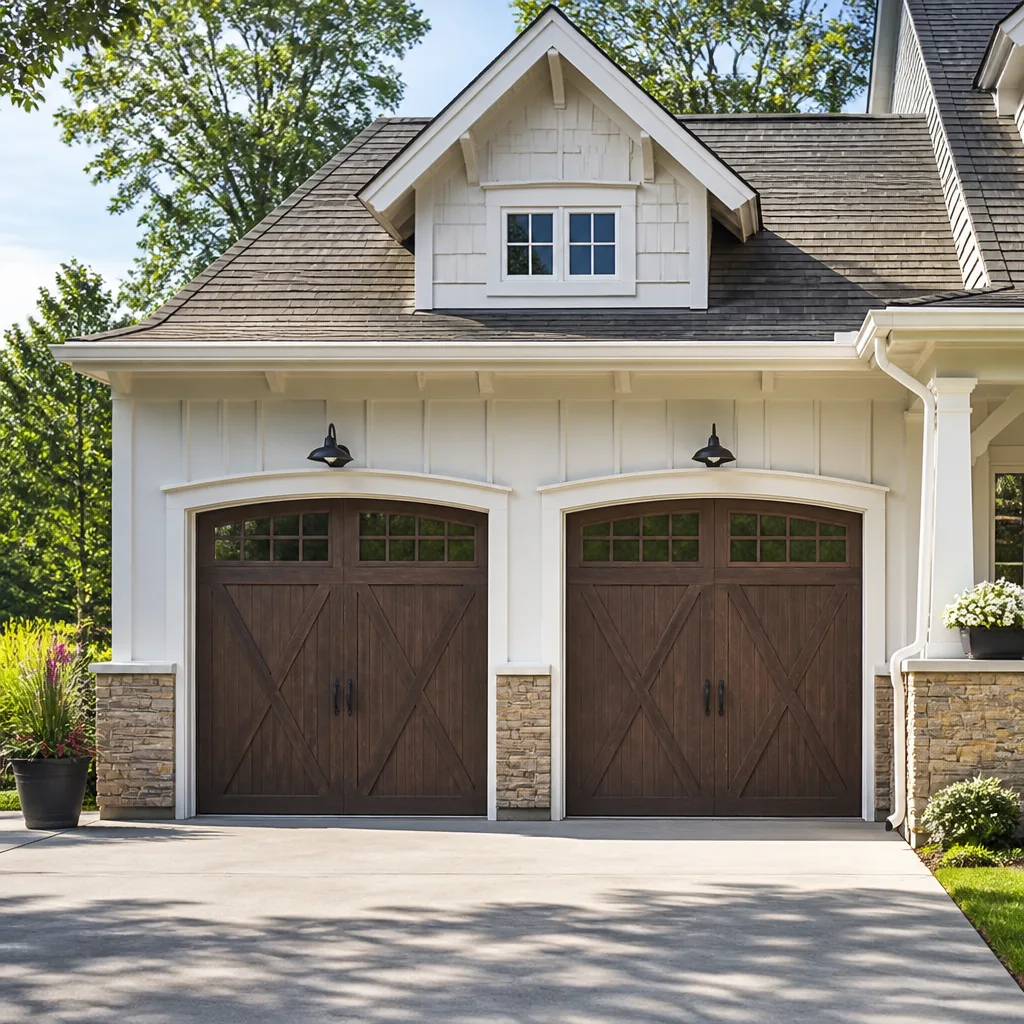 Carriage house
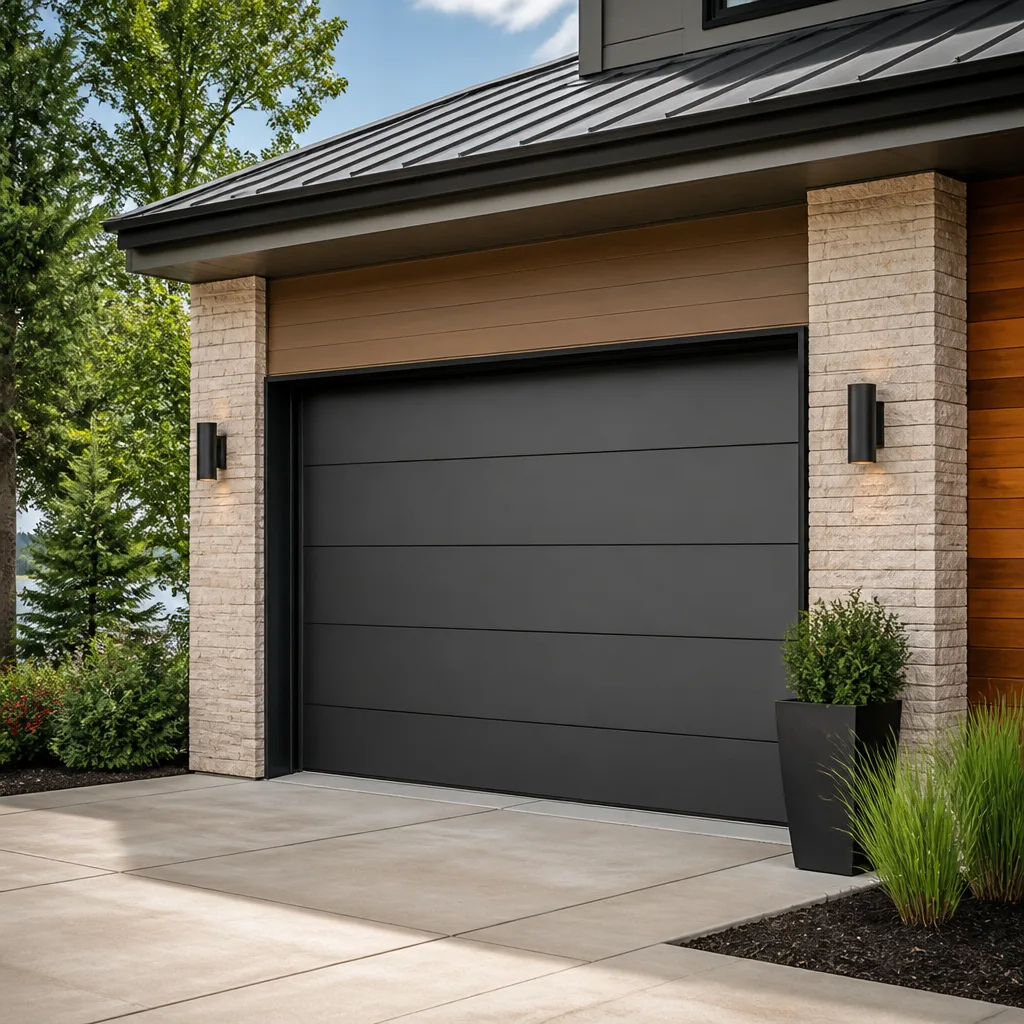 Modern flush
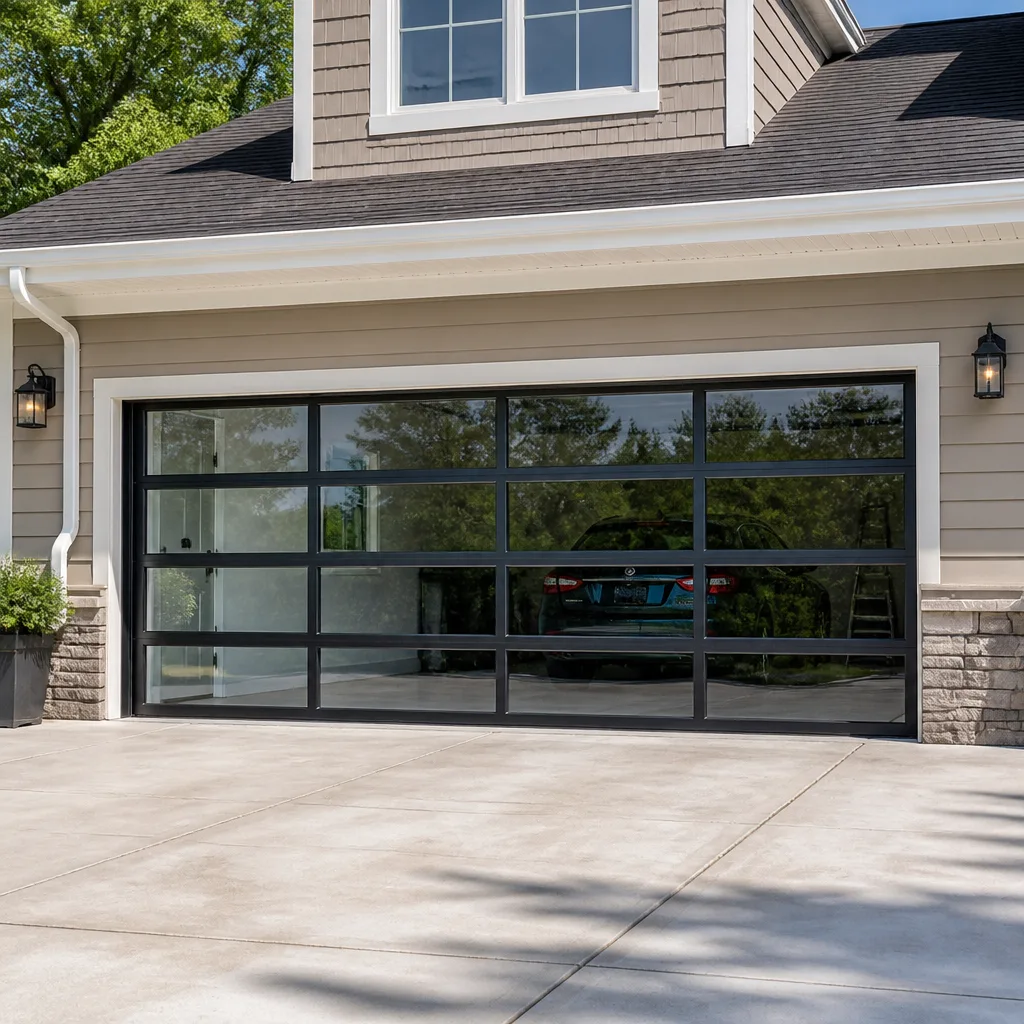 Full-view glass
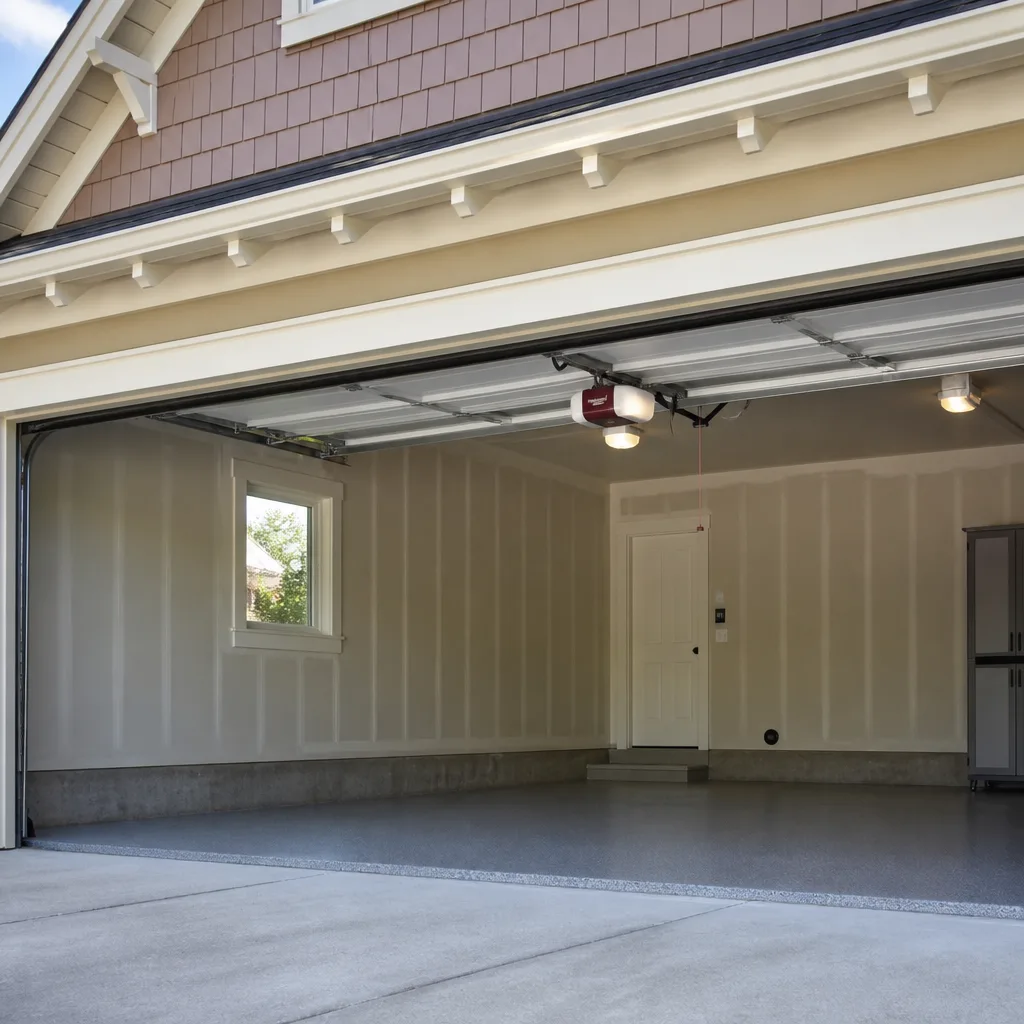 LiftMaster openers
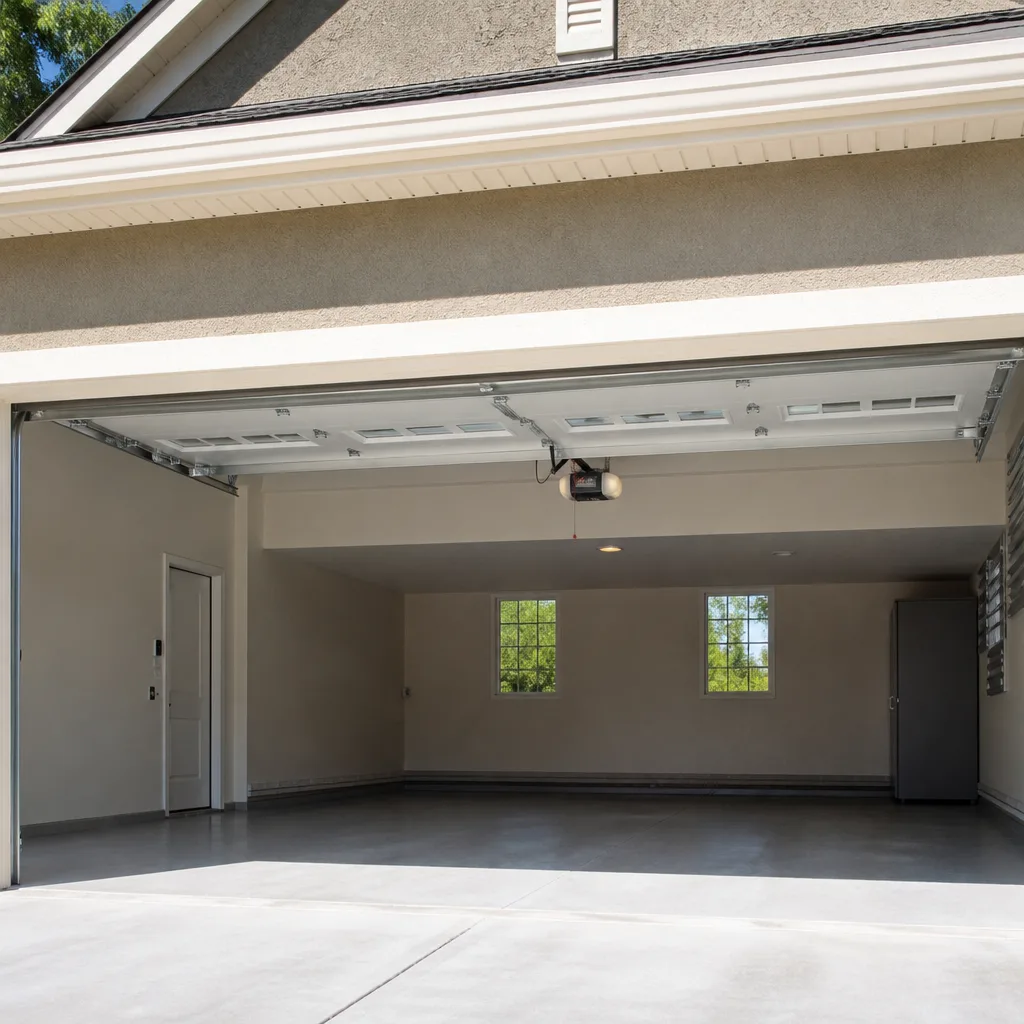 Chamberlain openers
Full 25-point door and opener safety check with every visit - springs, cables, rollers, tracks, and your LiftMaster or Chamberlain opener included
You get a price before we start. It does not change when the truck arrives.
Get your free estimateDIY vs Professional Garage Door: The Downey Homeowner’s Decision Guide
Here’s a number most homeowners in Downey never hear: a torsion spring on a standard 16-foot garage door holds roughly 100 to 200 foot-pounds of torque. That’s enough stored energy to sever a finger, fracture a wrist, or worse. Every spring season, emergency rooms across Los Angeles County treat hand injuries from homeowners who watched a YouTube tutorial and felt ready. This guide isn’t about scaring you off your own property. It’s about giving you a clear framework for which garage door tasks belong in your hands and which ones belong to someone who does this every day. We’ll walk through specific jobs, real Downey pricing, California liability rules, and the three questions that separate a reasonable Saturday project from a hospital visit.
Styles & brands we work with
- Raised-panel steel
- Carriage house
- Modern flush
- Full-view glass
- LiftMaster openers
- Chamberlain openers
Quick Answer
Most garage door maintenance tasks that don’t involve stored spring tension, high-tension cables, or structural track alignment are safe for a careful Downey homeowner: sensor alignment, lubrication, weatherstripping, and opener programming all fall in that category. But spring replacement, cable work, and any repair involving the door’s counterbalance system should go to a trained professional in Downey, not because you can’t learn it, but because the failure mode of a mistake is severe injury. If the job involves winding, unwinding, or releasing tension from a spring, call a specialist.
Table of Contents
- The Physics You Need to Understand First
- The Safety Matrix: What You Can Do vs. What You Shouldn’t
- Torsion vs. Extension Springs: Why the Difference Matters
- The Real Cost Comparison: DIY vs. Professional in Downey
- The Three Questions That Tell You What Kind of Job This Is
- California Liability: What Happens When DIY Goes Wrong
- Brand Quirks Downey Homeowners Should Know
- Common Mistakes to Avoid
- When to Call a Professional
- Frequently Asked Questions
- The Bottom Line
The Physics You Need to Understand First
A garage door that works feels weightless. A garage door that doesn’t is a reminder that you’re actually lifting 150 to 300 pounds every time it opens. What makes it feel light is the counterbalance system: springs that store the energy you’d otherwise spend lifting the door by hand. In Downey, where the majority of post-1960 homes have sectional overhead doors, that system is almost always one of two designs.
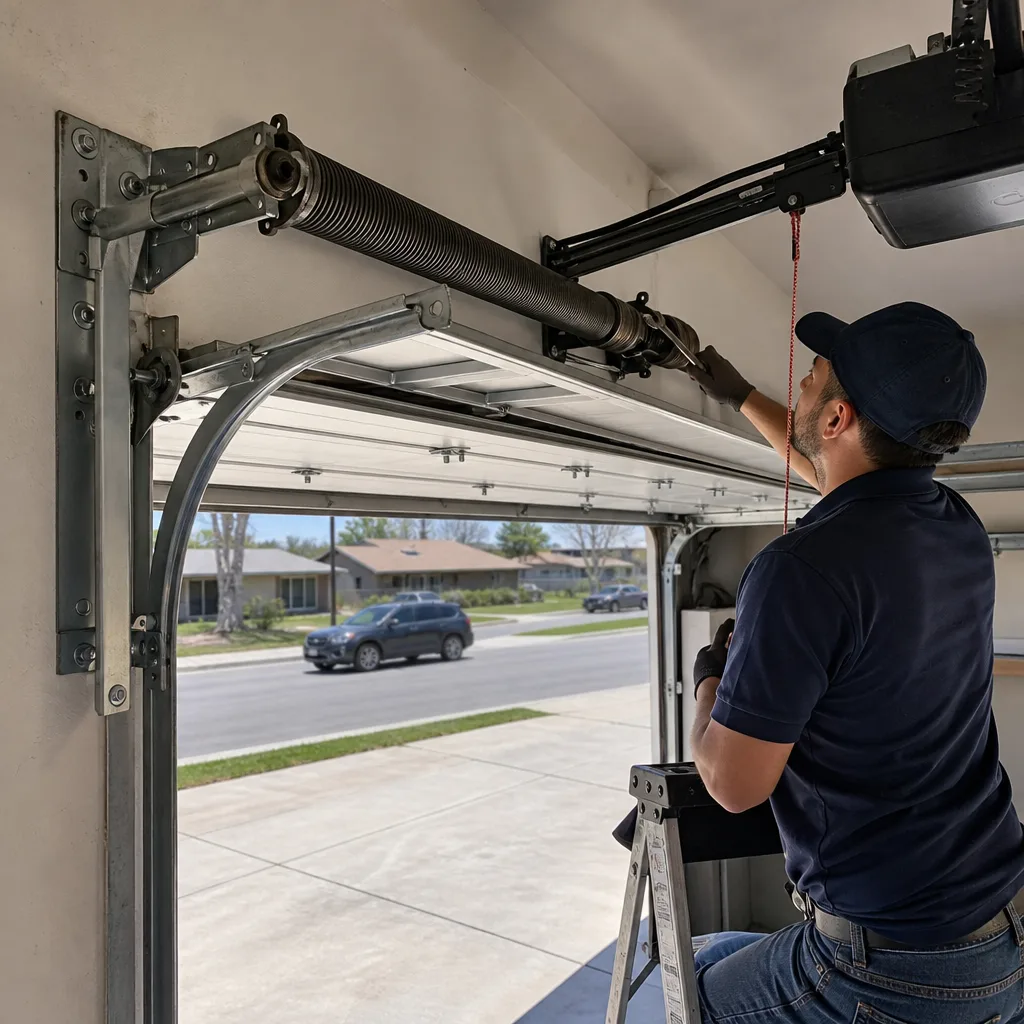
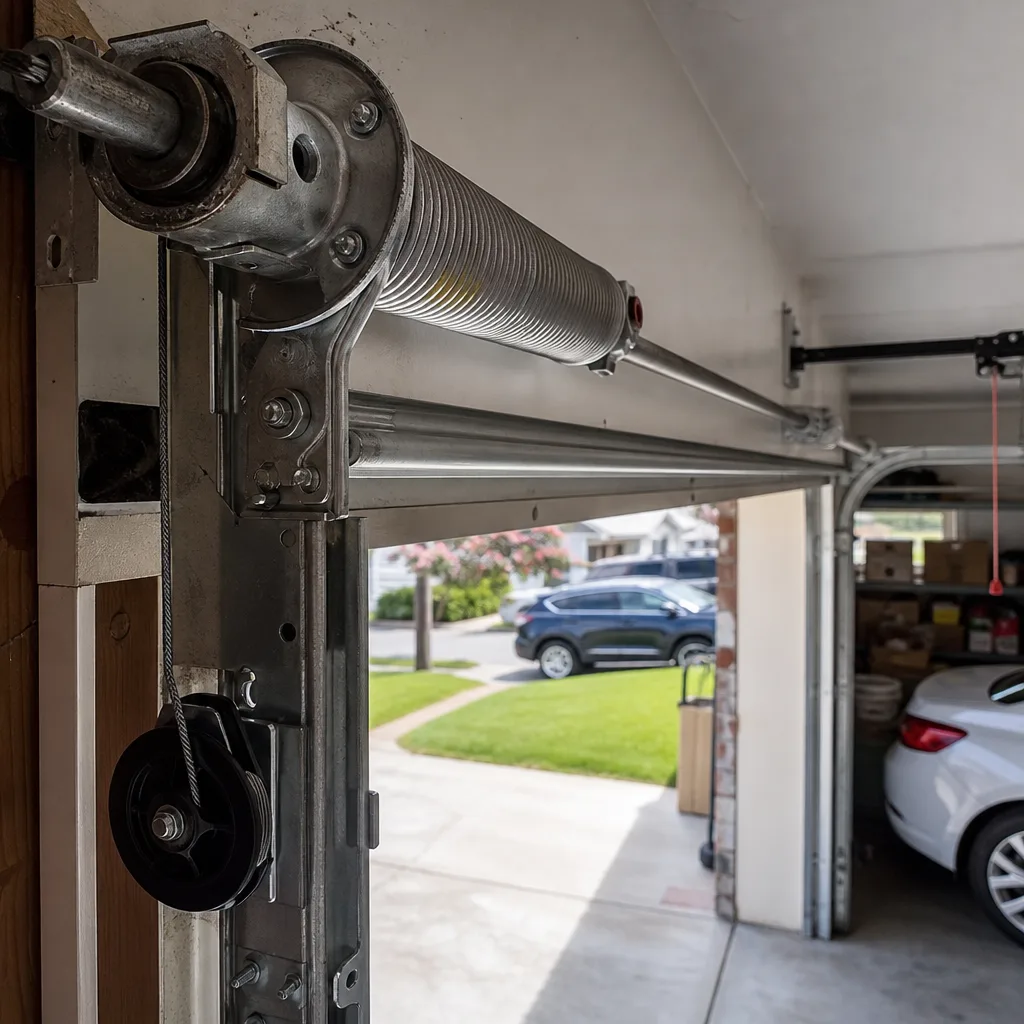
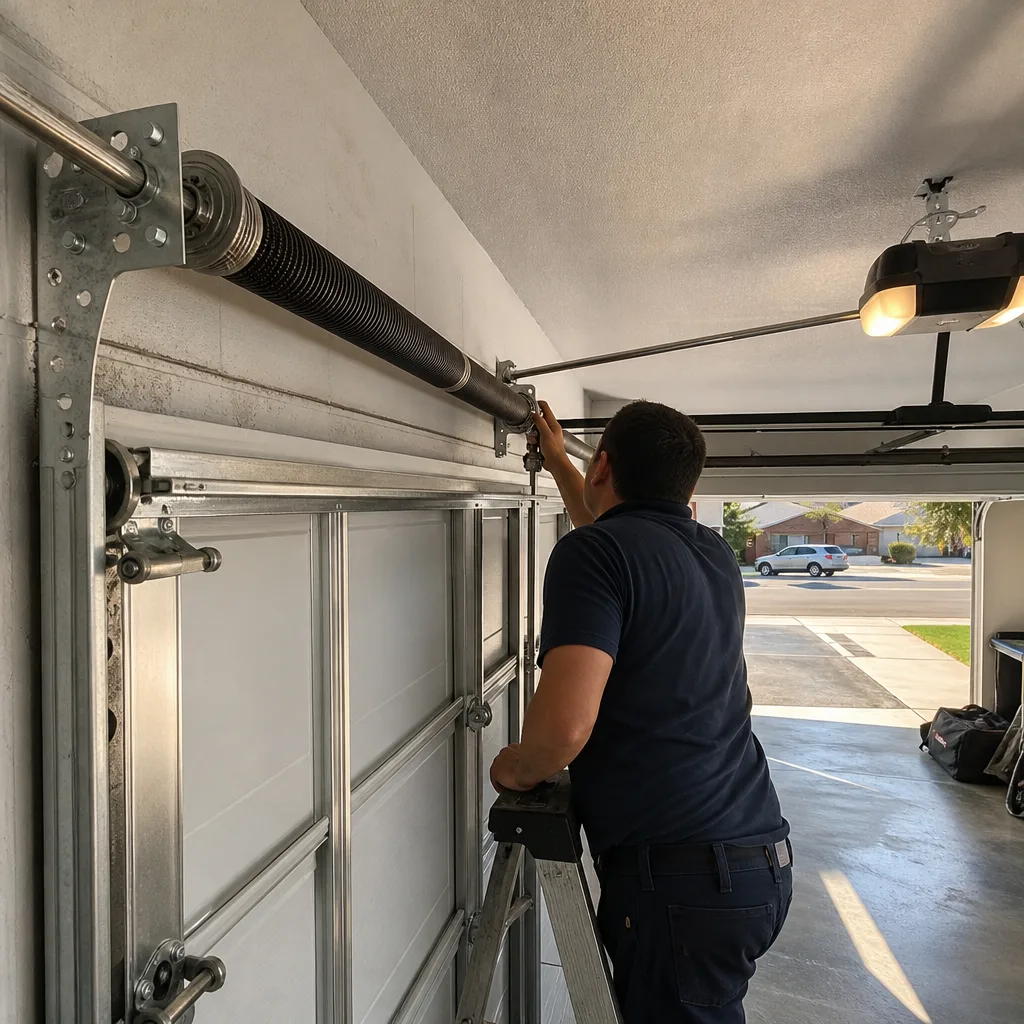
Torsion springs sit on a horizontal shaft above the closed door. They store torque, not tension. When the door closes, the springs wind tighter. When it opens, they unwind and do most of the lifting work. A residential torsion spring under full load carries enough energy to fire a steel winding bar across a garage if it slips. That’s not hyperbole. The winding cone on a torsion spring is under constant pressure, and if it strips or the spring breaks mid-wind, the release is violent and unpredictable.
Extension springs run along the horizontal tracks on either side of the door. They stretch when the door closes and contract when it opens. They don’t store as much energy as torsion springs, which is why they’re more common on older Downey homes and lighter single-car doors. But they still hold enough tension to snap a cable or throw a spring hook if one fails. And when an extension spring fails, the broken end becomes a projectile.
Why does this matter for the DIY question? Because every repair that touches the counterbalance system inherits the risk of that stored energy. The bolts, brackets, cables, and springs all work together to hold a load that wants to release. If you reach for a wrench and you don’t know exactly what’s under tension and what isn’t, you’re troubleshooting a loaded gun with your face near the muzzle.
The Safety Matrix: What You Can Do vs. What You Shouldn’t
We could tell you “never touch your garage door” but that’s not honest. Plenty of Downey homeowners handle their own maintenance, and some of it is genuinely appropriate. The line isn’t skill level. It’s stored energy. Here’s the breakdown.
Homeowner-Safe Tasks (Low Risk, No Stored Tension)
- Photo-eye sensor alignment: If the sensors near the floor got bumped by a bike or a storage bin, realigning them is a matter of loosening a wingnut, aiming the lights at each other, and tightening. No springs involved.
- Lubrication: White lithium grease on hinges and rollers, silicone spray on the torsion spring itself, and a light coat on the opener rail. This takes ten minutes and needs no disassembly.
- Weatherstripping and bottom seal replacement: The rubber strip at the bottom of the door slides out of a channel and the new one slides in. It keeps dust and rain out, which matters in Downey’s dry summer months when fine dust creeps into every gap.
- Opener programming: Setting remotes, programming keypads, adjusting travel limits, and resetting after a power outage are all user-level tasks covered in the opener manual. LiftMaster, Chamberlain, Genie, and Craftsman units all have straightforward procedures.
- Visual inspection: You should look at your door monthly. Check for frayed cables, rusted spring coils, loose bolts, and rollers that don’t roll. Catching a problem early is worth more than any repair trick.
Professional-Only Tasks (High Risk, Stored Tension)
- Torsion spring replacement: Winding and unwinding torsion springs requires specific bars, specific technique, and a respect for what 150 foot-pounds of torque does to a hand.
- Extension spring replacement: Even though extension springs are the safer design to understand, the safety cables they travel on and the hooks that connect them are unforgiving under load.
- Cable replacement: The lift cables work alongside the springs. A frayed cable is a sign of a problem, not the problem itself. Replacing the cable without fixing the underlying issue means doing it again in six months.
- Track realignment: If the track is bent or pulled from the wall, the door can bind and jump. Track work involves getting the door back to square, and a door that derails under load falls hard.
- Panel replacement: Replacing a bottom panel on a sectional door means temporarily unloading the spring system. That’s a two-person, specialist-level job.
Torsion vs. Extension Springs: Why the Difference Matters
If you’re standing in your Downey garage deciding whether to tackle a spring job, the first thing to identify is which spring system you have. The answer changes the risk profile entirely.
Extension springs are mounted above the horizontal tracks, one on each side. They’re visible, they’re simple in concept, and you can buy replacements at any hardware store in Downey. On paper, they look DIY-friendly. But here’s what the YouTube videos don’t emphasize: extension springs must be fitted with a safety cable threaded through the center. That cable is what keeps the spring from flying across the garage if it breaks. If your current spring doesn’t have one, the previous owner or installer cut a corner. And if you install a new spring without running the safety cable, you’ve created a projectile in your garage.
Torsion springs are the horizontal coiled springs on a shaft above the center of the door. To replace one, you wind and unwind it with steel bars inserted into the winding cone. The process is mechanical and learnable, but the tolerance for error is zero. A slipped winding bar at the wrong moment is how fingers get lost. And torsion springs are rated for a specific number of cycles: a standard spring lasts about 10,000 open-close cycles, which translates to roughly seven to ten years for a typical Downey household that opens the door three or four times a day. If your spring is eight years old and you’re considering a DIY fix for something else, the clock is already ticking on that spring.
So the honest guidance is: extension springs are more DIY-adjacent, but they still require safety cables, clip-and-hook connections done correctly, and a clear understanding of how the spring tension balances the door weight. Torsion springs are hands-off for anyone without specific training. In our experience, the homeowners who successfully replace their own extension springs are the ones who treat the job like a sequence with no skipped steps. The homeowners who get hurt are the ones who improvise.
The Real Cost Comparison: DIY vs. Professional in Downey
Let’s put dollar figures on this, because “call a professional” sounds like a sales pitch until you see where the math actually lands. These are Downey-area numbers based on what we see in the field.
Torsion Spring Replacement: Typical Downey Costs
- DIY parts cost: $60 to $140 for a pair of torsion springs from a Downey hardware store or online supplier
- DIY tool cost: $25 to $50 for a set of winding bars, $20 for a socket set if you don’t own one, $15 for a torsion spring gauge you’ll use once
- DIY time: 3 to 6 hours for a first-timer, including measuring spring wire diameter, coil count, inside diameter, and length; finding the right spring; watching tutorials; and the actual replacement
- DIY total: $120 to $225 out of pocket, plus a weekend
- Professional total in Downey: $180 to $360 for two springs, installed, with a service warranty on parts and labor
The math gets uncomfortable for the DIY argument when you factor in the risk of a mis-measured spring. Order the wrong size and the door won’t balance. Under-tension a spring and the opener burns its motor fighting the door. Over-tension it and the door flies up when released. The $100 you saved buying springs yourself evaporates the moment you have to fix a second mistake.
Extension Spring Replacement: Typical Downey Costs
- DIY parts cost: $30 to $70 for a pair of springs
- DIY additional parts: $10 to $20 for new safety cables and pulleys if yours are worn
- DIY time: 2 to 4 hours
- DIY total: $40 to $90
- Professional total in Downey: $140 to $240, depending on hardware condition
Extension spring replacement is where DIY makes the strongest financial case. If you understand the safety cable requirement and follow the sequence, you can save about $100. That’s real money for a Downey household. The tradeoff is still exposure to stored tension, but it’s a smaller exposure than torsion springs.
When DIY Actually Wins
- Photo-eye sensor alignment: Cost is zero if the sensor is just misaligned. A professional service call in Downey runs $75 to $125 just for the diagnostic.
- Bottom seal replacement: The seal costs $20 to $40. A service call to do it for you is $120 to $180. This is a ten-minute job for a homeowner.
- Lubrication: A can of lithium grease is $8 and lasts two years of quarterly applications. Paying someone to lubricate your door means paying for the visit, not the skill.
- Remote programming: If you still have the manual, this is reading and button-pressing. Brand-specific instructions for LiftMaster, Chamberlain, and Genie are all available online.
When Professional Actually Wins
- Torsion spring replacement: The $100 to $150 premium buys you zero injury risk, correct spring sizing, and a warranty that covers the next spring if this one fails prematurely.
- Cable replacement: A frayed cable is a symptom. A specialist identifies the cause (worn drum, misaligned track, spring imbalance) and fixes it. A homeowner replaces the cable and waits for the next one to fray.
- Opener replacement: A new opener costs $250 to $550 in parts alone, and installation involves wiring, mounting, travel limit tuning, and force adjustment. The labor on a Downey opener install runs $200 to $350. If you miswire a logic board, you’ve voided the warranty on a $400 machine.
- Full door replacement: This is not a DIY job. It’s a two-person install with multiple springs, panel alignment, and opener integration. The cost of doing it wrong is a door that binds, sags, or falls.
- Winding a torsion spring without proper bars: Using screwdrivers or pipe instead of half-inch winding bars is the most common pre-injury mistake in Downey garages. A screwdriver shaft flexes, slips, and releases the spring’s energy instantly.
- Skipping the safety cable on extension springs: An extension spring without a safety cable through its center becomes a metal spear when it breaks. The cable costs $8 and takes three minutes to install. Skipping it is choosing the most preventable failure mode.
- Replacing a spring and not the pair: Springs are matched sets. Replacing one spring on a door that uses two means one side is strong and the other is fatigued. The door hangs crooked and the new spring fails early from overwork.
- Lubricating the wrong parts: Spraying WD-40 on rollers and hinges attracts dust and breaks down the factory grease a week later. In Downey’s dry, dusty climate, the wrong lubricant turns a quiet door into a grinding one fast. Use white lithium on metal-to-metal joints and silicone on nylon and rubber.
- Adjusting travel limits to compensate for a spring problem: If the door isn’t closing fully and you compensate by extending the opener’s down-travel, you’re masking a balance problem. The opener isn’t designed to force a door past a weak spring. Over time, the opener burns out.
- Not photographing the setup before disassembly: Before you remove any part from your garage door, take a picture of the current configuration. Which way the spring cone faces, which hole the pulley sits in, where the limit switch is set. Reassembly memory is unreliable, and a photo costs nothing.
The Three Questions That Tell You What Kind of Job This Is
Before you pick up a wrench or pick up the phone, run any garage door problem through these three questions. They’re the filter we use mentally on every service call in Downey.
Question 1: Is this failure under spring tension or connected to the counterbalance system?
If the answer is yes, stop. Cables, springs, bottom brackets, spring anchor plates, and anything bolted to the spring shaft are all loaded. The only exception is if the door is fully open and the tension is released, but even then, a broken spring in the open position means the door can come down hard when you least expect it. If you can’t identify what’s under tension with certainty, the job is not DIY.
Question 2: Can I see the exact replacement part I need, and do I know the brand and model of the door or opener?
Downey homes have a mix of door brands: Clopay, Amarr, Wayne Dalton, and Raynor are all common. Opener brands skew toward LiftMaster, Chamberlain, Genie, and Craftsman. If you can’t identify the brand and model, you’re guessing at parts compatibility. Guessing on a spring means ordering by measurements (wire size, coil diameter, length) and hoping. Guessing on an opener means buying a remote that won’t pair or a gear kit that doesn’t fit. If you can’t name what you’re fixing, you’re not ready to fix it.
Question 3: What’s the cost of getting this wrong?
For a sensor alignment: zero dollars and five minutes. For weatherstripping: a wasted $20 strip. For a mis-tensioned torsion spring: a broken opener gear, a bent track, a door that collapses, or a hand injury. The cost-of-error calculation is the whole decision. If the worst case is inconvenience, DIY is fine. If the worst case is the emergency room, it isn’t.
California Liability: What Happens When DIY Goes Wrong
California homeowners insurance treats self-inflicted repair damage differently than you might expect. This matters in Downey, where homes are older and garage doors are original equipment on many 1950s and 1960s ranches.
Property damage from a DIY repair: If you install a spring incorrectly and the door slams down on your car, your homeowners policy may not cover it. Standard HO-3 policies cover “sudden and accidental” damage from covered perils like fire, wind, or vandalism. A garage door collapsing because you miswound a spring is often classified as faulty workmanship or maintenance negligence. The damage to the car is typically excluded, and the door itself is almost never covered. You eat the cost.
Injury to yourself: Your medical bills fall under your health insurance, not homeowners. Homeowners liability coverage protects you against claims from other people, not your own injuries. If you break your hand on a winding bar, you’re paying your medical deductible and losing work hours on top of it.
Injury to someone else: This is where it gets serious. If you do a DIY spring repair and two months later a cable snaps when your neighbor is in your driveway, and the investigation traces it back to your install, your homeowner’s liability may not shield you. The argument will be that the injury resulted from an unlicensed repair that created a hazardous condition. California courts have held homeowners liable in similar situations. The unlicensed-activity exclusion in many policies gives insurers an out.
Permit and code considerations: Downey enforces the California Residential Code, which requires garage door openers to have a functioning auto-reverse mechanism and photo-eye sensors. If you replace an opener yourself and it doesn’t meet code (an older opener without functioning sensors, for instance), and a child is injured by the closing door, the liability exposure is substantial. Licensed installers carry their own insurance, which means the liability transfers.
The bottom line: DIY saves you the labor cost today, but it shifts all risk onto your shoulders. When a licensed company does the work in Downey, their insurance and warranty absorb the downside. That’s part of what the service fee pays for.
Brand Quirks Downey Homeowners Should Know
Not all garage doors and openers are created equal, and brand-specific knowledge changes how a repair should be approached. In Downey, where housing stock spans seven decades, we see certain brands concentrated in certain neighborhoods and certain failure patterns that repeat across those brands.
LiftMaster
LiftMaster dominates the opener market in Downey’s newer subdivisions. The travel-module failures and logic-board issues are well documented: a LiftMaster that won’t respond to remotes but works from the wall button usually has a fried receiver board. The brand’s torsion springs are generally standard-size, but the openers are sensitive to force-setting errors. A LiftMaster installed with incorrect up-force will strip its own gear in two years. This is one of the brands where professional opener setup pays off: the force settings on a LiftMaster are not forgiving of guesswork.
Genie
Genie openers are common in Downey’s older homes, especially the screw-drive models from the 1990s and early 2000s that are still running. Their failure points are the carriage assembly and the screw rail itself, which wears over 20 years and starts to chatter. Genie’s spring systems vary more than LiftMaster’s, so part-matching is less forgiving. If you’re doing anything beyond programming a Genie remote, you’re likely to need a specific part number rather than a universal fit.
Raynor
Raynor doors show up in Downey’s custom-home segment and in the commercial-to-residential conversions north of the 105. Their door hardware is heavier-gauge than most residential brands, which is good for longevity but bad for DIY improvisation. A Raynor door uses brand-specific hinges and roller stems; generic hardware store replacements don’t seat correctly. If the hub or hinge on a Raynor door fails, the repair is straightforward for someone who stocks Raynor parts and frustrating for someone who doesn’t.
Chamberlain and Craftsman
Chamberlain builds the Craftsman opener line, and the two share most components. The gear-and-sprocket assemblies wear out predictably around year eight to ten, which means Downey homeowners with a Craftsman opener from 2015 or 2016 are hitting that window right now. The good news: the gear kit is $30. The bad news: replacing it means opening the drive housing, and the sequence matters. A snapped sprocket pin or a misaligned limit switch assembly will have you doing the job twice. For a homeowner who changes their own oil, it’s marginal. For someone who doesn’t own a torx set, it’s a service call.
The pattern here isn’t subtle: brand matters. The homeowner who can identify that they have a Genie screw-drive from 1998 and the homeowner who just says “the opener’s broken” are going to have very different experiences tackling a repair. We work on LiftMaster, Chamberlain, Genie, Clopay, Amarr, Wayne Dalton, Craftsman, and Raynor systems every week in Downey, and the brand-specific failure patterns are usually the fastest route to the actual problem. We have detailed guides for Garage Door Repair in Downey and Garage Door Opener Repair in Downey that go deeper into specific failure modes.
Common Mistakes to Avoid
When to Call a Professional
Call a specialist when the job involves any component connected to spring tension: torsion springs, extension springs, lift cables, bottom brackets, or spring anchor plates. Call when the door is off-track and binding, when the opener is making a grinding noise that’s coming from inside the drive housing, or when you’ve already attempted a fix and the problem is worse. And call when the door is more than 15 years old with original springs: a door that age needs a system check, not a part swap. Garage Door Service Downey offers free estimates in Downey. Call (844) 734-1196, and we’ll tell you whether the job is worth your weekend or worth our truck roll.
Frequently Asked Questions
Professional torsion spring replacement in Downey typically runs $180 to $360 for a pair of springs installed, including parts and labor. Extension spring replacement runs lower, usually $140 to $240. The final price depends on the door weight, spring cycle rating, and whether the current hardware is reusable. Call (844) 734-1196 for an exact quote based on your door. Estimates from our garage door repair in Downey are free.
You technically can, but the risk profile is severe: torsion springs hold 100 to 200 foot-pounds of stored torque, and a winding bar slip is a hand injury, not a do-over. Extension springs are more approachable but still require safety cables and correct installation sequence. If you’re not sure which spring system you have, you’re not ready to replace it. We recommend calling a specialist for spring work in Downey.
A standard torsion spring rated for 10,000 cycles lasts about 7 to 10 years in a typical Downey home where the door opens three to four times daily. If your door opens six to eight times a day (kids coming and going, multiple cars), expect closer to 5 to 7 years. High-cycle springs rated for 20,000 to 30,000 cycles cost more but last proportionally longer.
Sort of. You’ll save $200 to $350 on labor, but a wrong wire on the logic board voids the warranty, and an incorrect force setting burns out the gear in under two years. If you’re comfortable with wiring and have installed one before, DIY is reasonable. If not, the savings are thinner than they look. Our garage door opener repair team in Downey handles installations and repairs daily.
Usually not for the door itself. Standard California HO-3 policies exclude damage from faulty workmanship or maintenance negligence. If your DIY repair causes damage to a car or personal property, that’s typically excluded too. If your DIY work later injures someone else, the liability picture is uncertain and may not be covered, especially if the insurer argues the repair created a hazardous condition from unlicensed work.
The most common problem we see in Downey is an opener that has lost its travel-limit calibration, usually after a power surge or a spring that’s starting to weaken. The opener hits the wrong stopping point and the door either won’t close fully or reverses immediately after touching the ground. Sometimes it’s a five-minute limit reset. Other times it’s the first symptom of a spring that’s lost tension. If you’ve reset the limits twice and the problem returns, it’s the spring. For door replacement projects, see Garage Door Installation in Downey for options.
The Bottom Line
The DIY vs. professional decision for your Downey garage door comes down to one variable: stored energy. Tasks that don’t touch the counterbalance system, like sensor alignment, lubrication, weatherstripping, and remote programming, are genuinely homeowner-appropriate and worth doing yourself. Tasks that involve springs, cables, brackets, or track alignment carry injury risk that scales with door size and spring age, and the savings rarely justify the exposure. When in doubt, call a specialist who can diagnose the problem in one visit, quote a firm price before any work starts, and stand behind the repair with a service warranty. Your garage door is the heaviest moving object in your Downey home. Treat it accordingly. Reach us at (844) 734-1196 for a free estimate. You can also start at the Garage Door Service Downey home page to see the full range of what we do.
Written by the team at Garage Door Service Downey, serving Downey since 2016.
See the difference
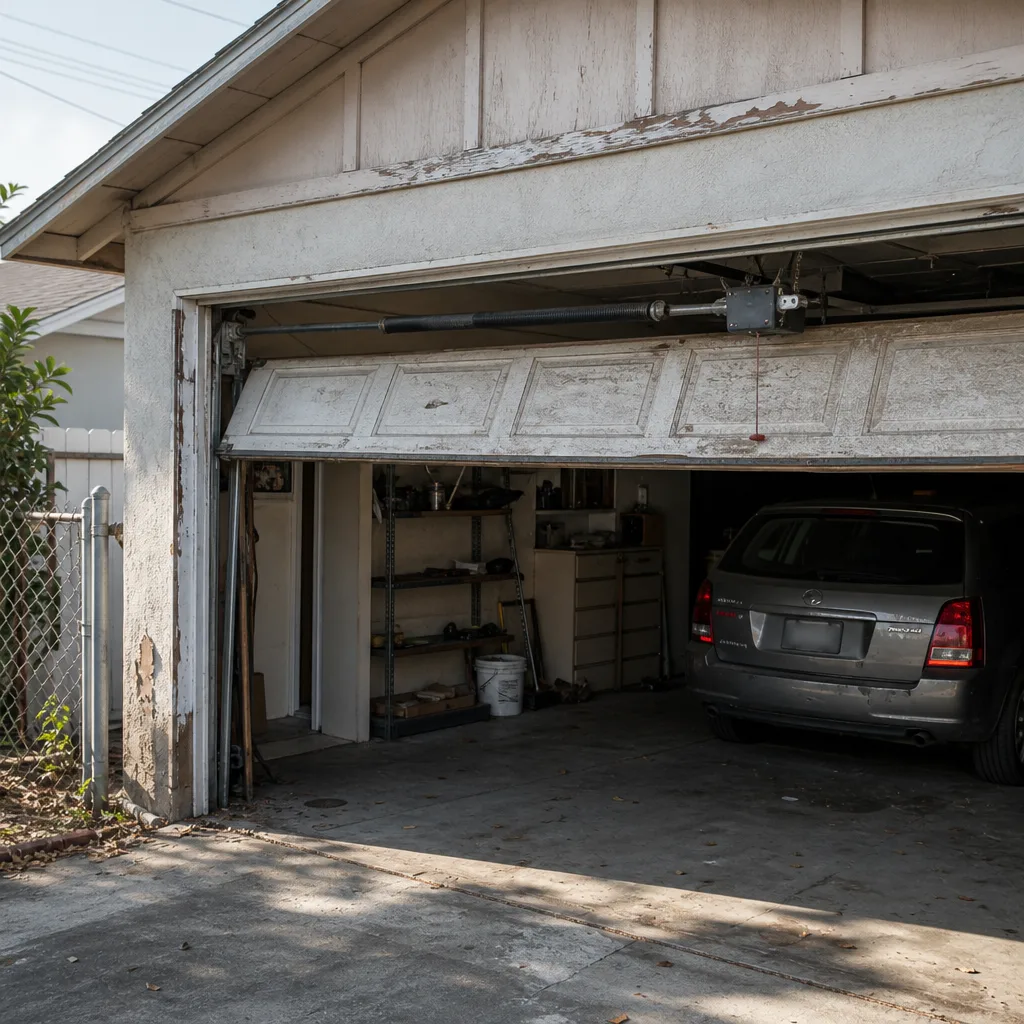
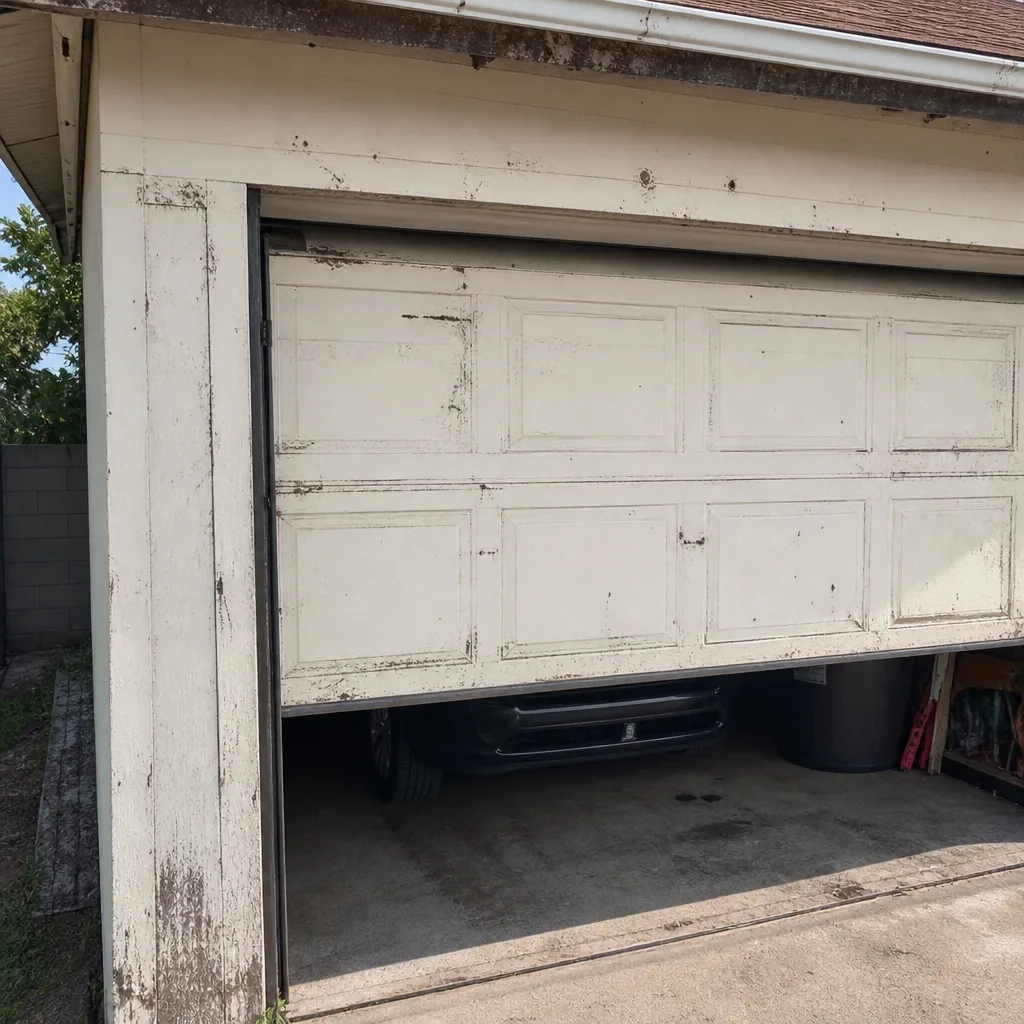 Before
 After
 Before
 After
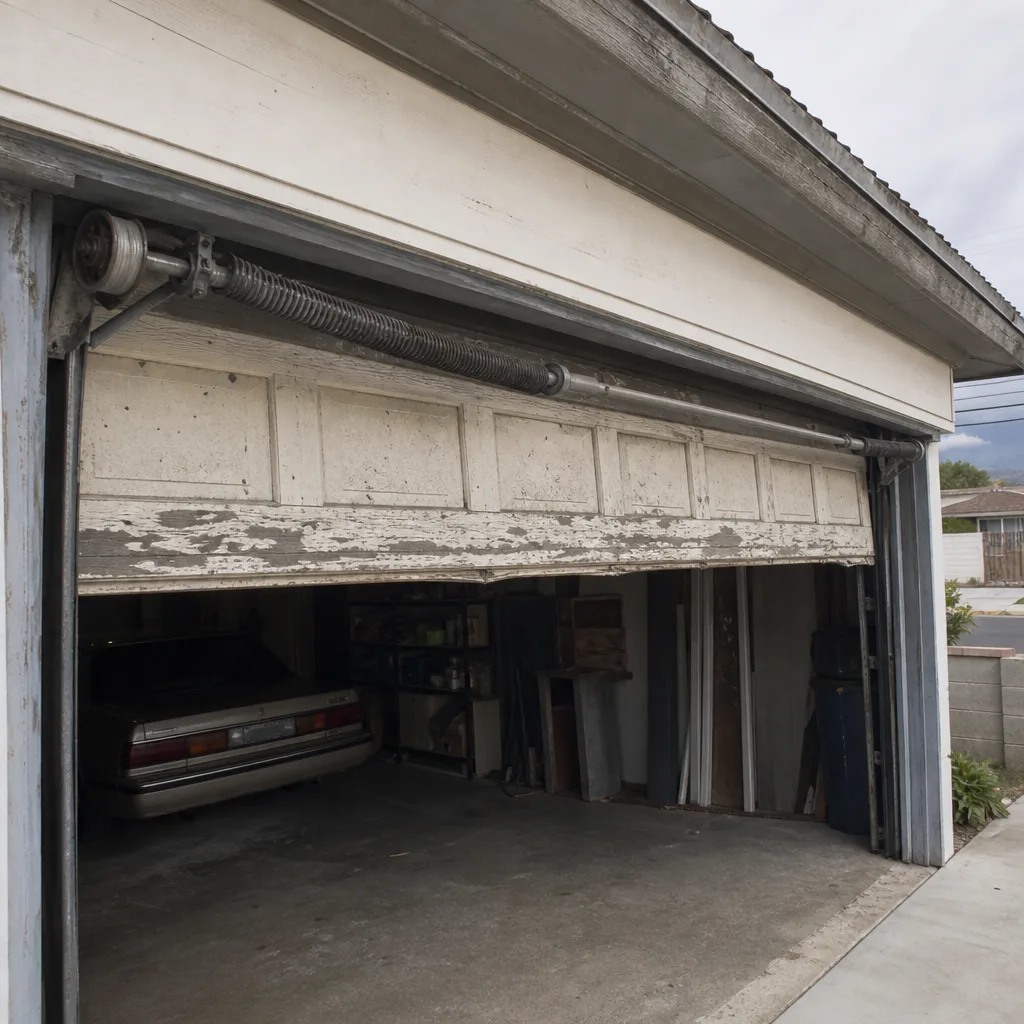 Before
 After