
Last updated November 2, 2026
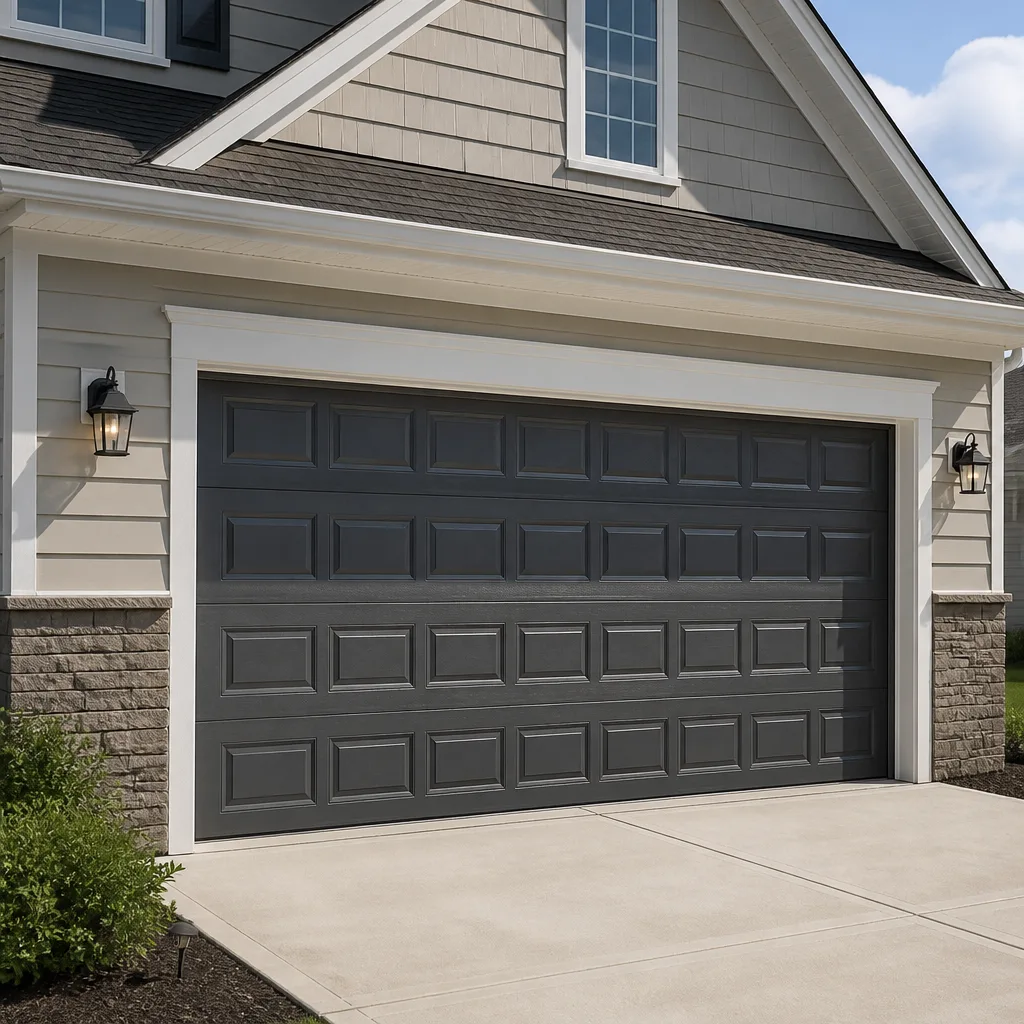 Raised-panel steel
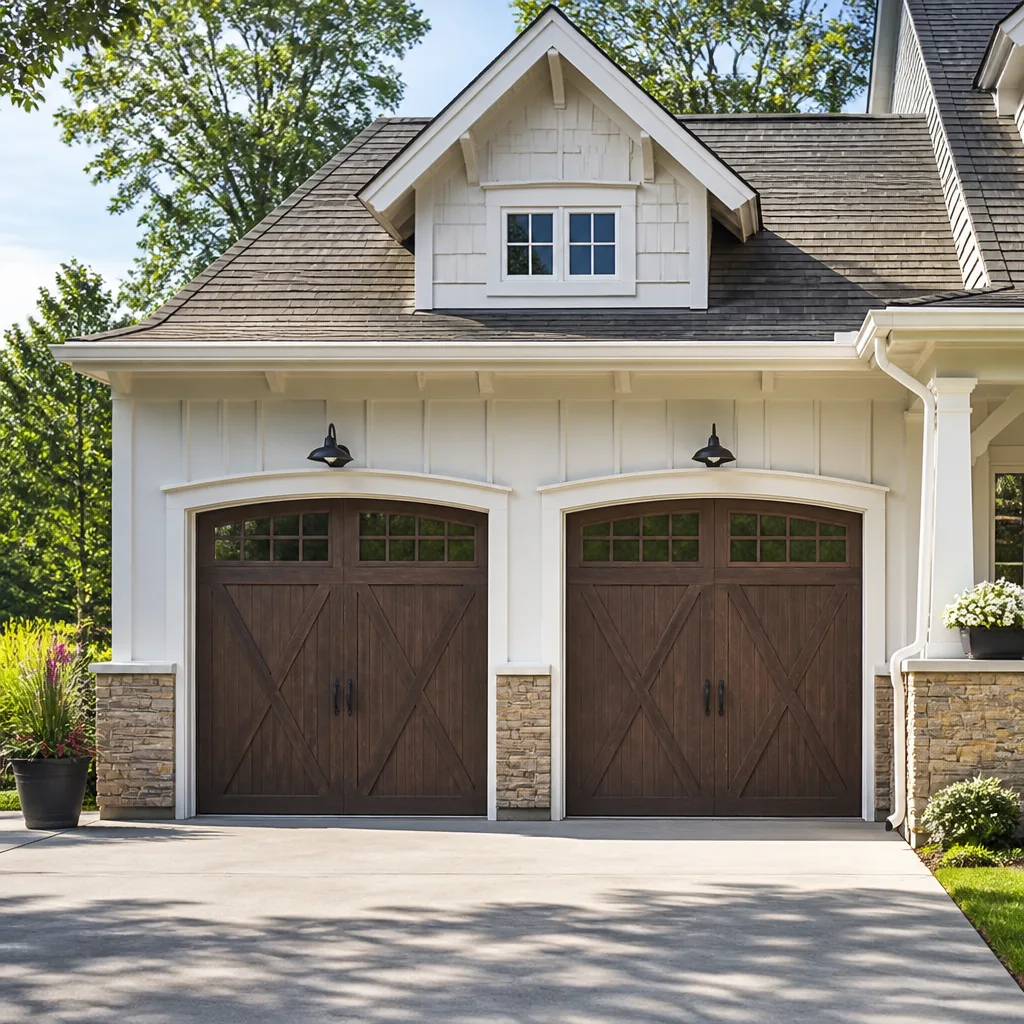 Carriage house
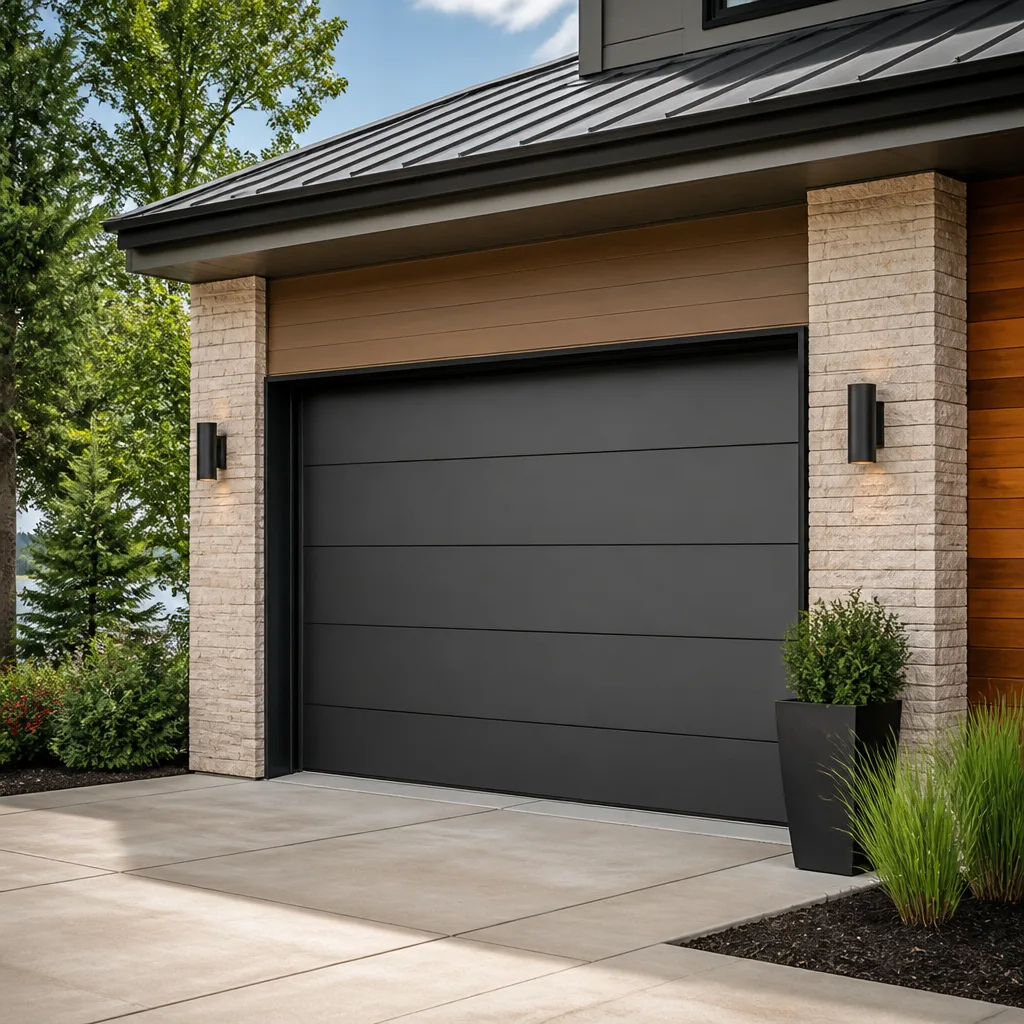 Modern flush
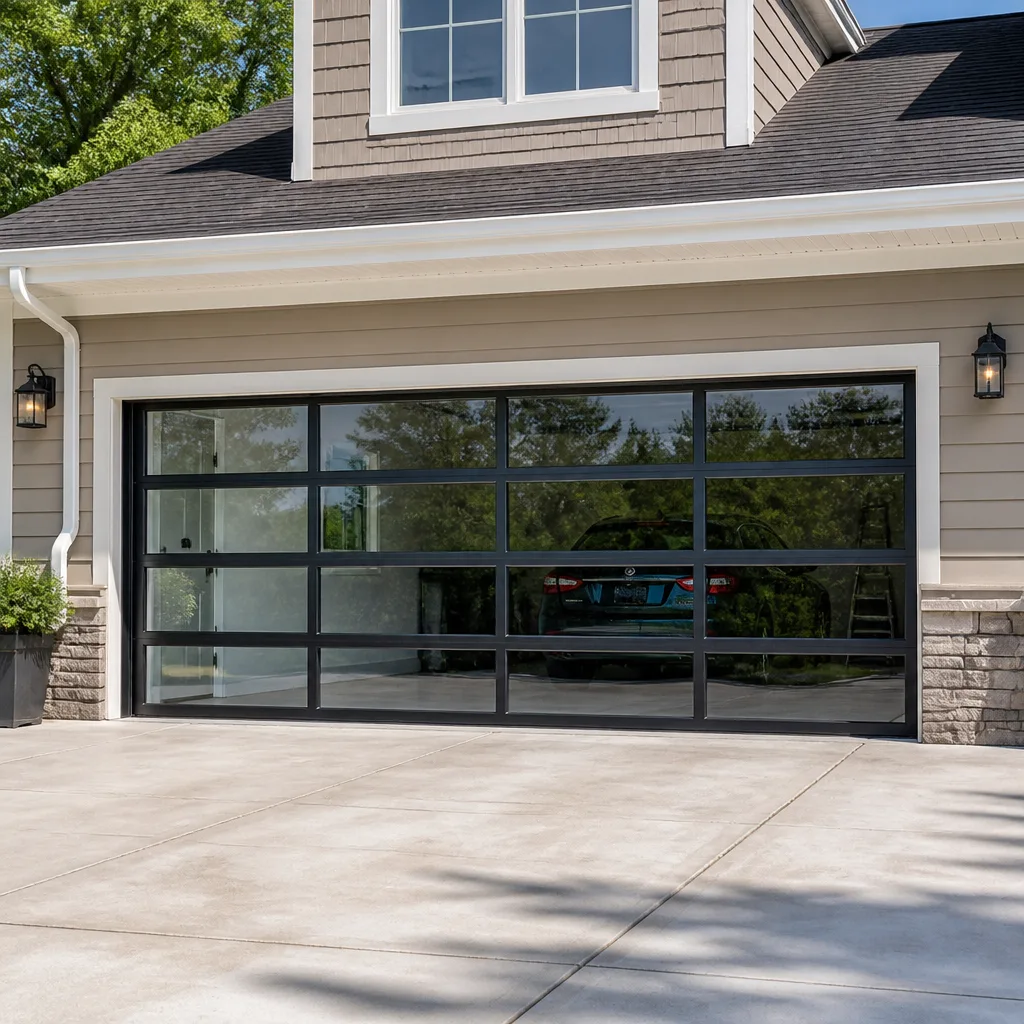 Full-view glass
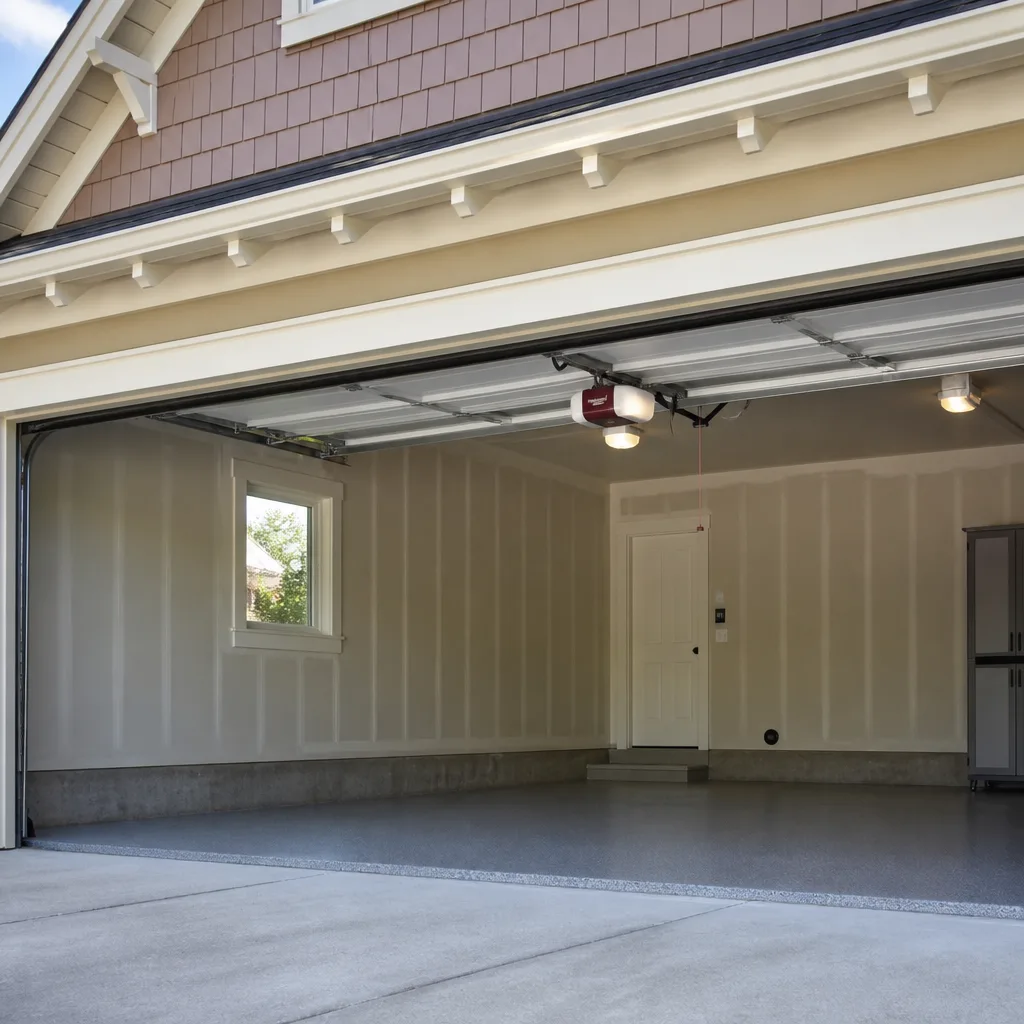 LiftMaster openers
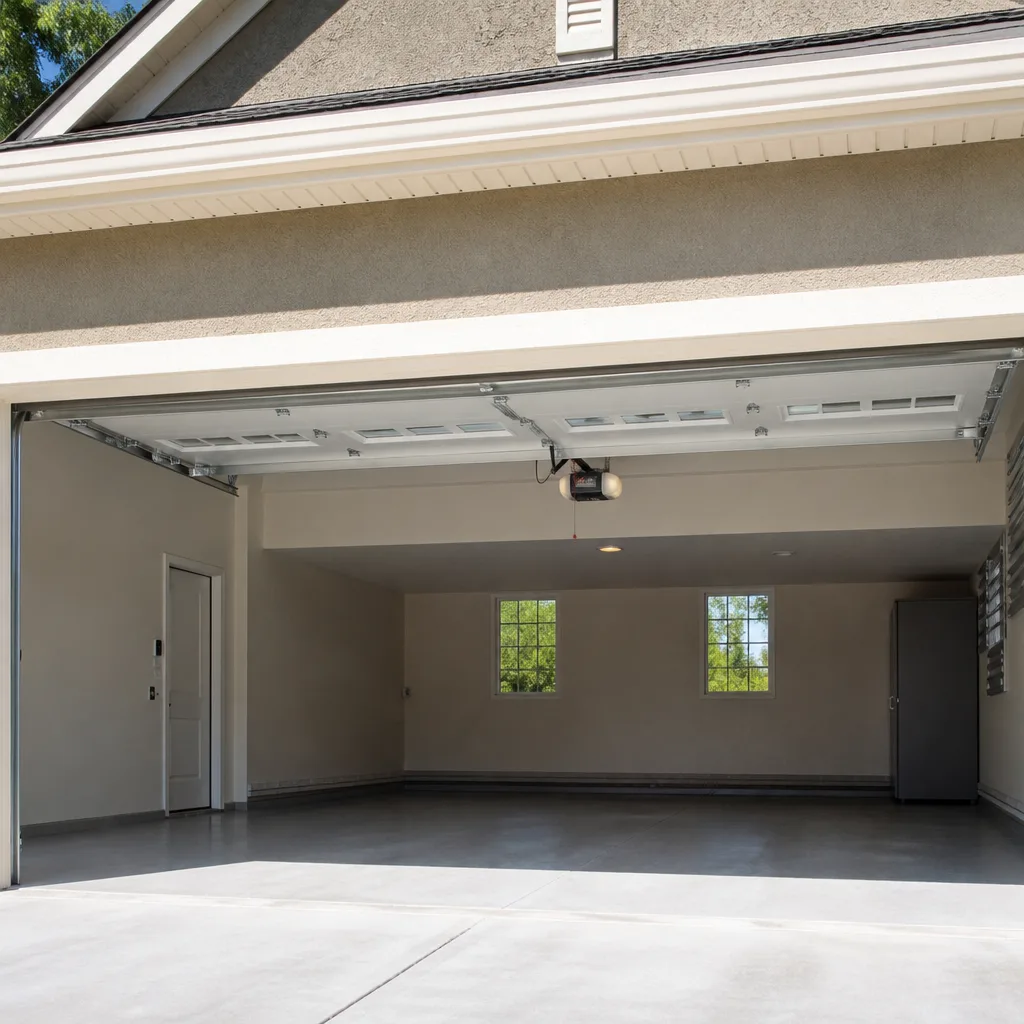 Chamberlain openers
Full 25-point door and opener safety check with every visit - springs, cables, rollers, tracks, and your LiftMaster or Chamberlain opener included
You get a price before we start. It does not change when the truck arrives.
Get your free estimateGarage Door Emergency Preparedness Guide for Downey Homes
Here’s a counterintuitive fact most Downey homeowners never consider: after a moderate earthquake, your garage door can look and sound perfectly fine while its track has been subtly racked out of alignment. It will run smoothly for days or even weeks. Then one morning, usually when you’re already late and need to move a car fast, it binds completely. This guide covers the specific emergency scenarios that hit Downey garages hardest: seismic damage, power outages, stuck-open doors, and spring or cable failures. For more guides & resources, see our blog. You’ll learn what to check immediately after an event, how to manually operate a door safely, and when a specialist is genuinely required.
Quick Answer
Garage door emergencies in Downey require a plan that covers both mechanical failure and seismic risk. The most important steps are knowing how to safely disengage your opener during a power outage, checking four specific structural points before using a door after an earthquake, and having a storage plan for the opening if the door becomes stuck open. For most serious failures involving springs, cables, or track damage, a trained garage door specialist should handle the repair because these components are under extreme tension and can cause severe injury. See our Garage Door Repair Troubleshooting: Common Problems and How to Fix Them for initial diagnosis steps.
Styles & brands we work with
- Raised-panel steel
- Carriage house
- Modern flush
- Full-view glass
- LiftMaster openers
- Chamberlain openers
Table of Contents
- How to Manually Operate Your Garage Door During a Power Outage
- Post-Earthquake Door Inspection: Four Checks Before You Use the Door
- What EQ-Rated Seismic Disconnect Hardware Does and Whether Downey Homes Need It
- Emergency Security: What to Do When Your Door Is Stuck Open
- Spring and Cable Failures: The Most Common Downey Garage Emergency
- Who to Call and What to Have Ready During a Garage Door Emergency
- Preventive Measures That Reduce Emergency Risk
How to Manually Operate Your Garage Door During a Power Outage
Power outages in Downey happen for a few reasons: summer heat waves that strain the grid, Santa Ana wind events that knock down lines, and occasionally rolling blackouts ordered by the utility. When the power dies and your car is inside the garage, you need to know the manual release sequence cold. The emergency release cord is the red handle hanging from the opener rail. Pull it straight down and back toward the door opening. That disengages the trolley from the opener carriage, converting the door to manual operation. Then lift the door by its handles or bottom edge and walk it up. When the door reaches the top, be prepared: a properly tensioned door should stay open on its own. If it doesn’t stay up, the springs are fatigued or broken and you should not force it.
Here’s where many Downey homeowners run into trouble: after pulling the release cord, some doors bind when you try to lift them. That binding typically means the spring tension is no longer balanced, or the door was left disengaged under load and has shifted on its track. If you feel significant resistance after the first few inches, stop. Forcing a door with unbalanced springs can pull the track off its mounting brackets and turn a simple power outage into a structural repair. In our experience serving garage door repair in Downey, we see this exact failure pattern after every significant blackout.
Re-engaging the Opener After Power Returns
When the power is back, leave the door in the closed position. Pull the release cord toward the opener motor and run the opener through a full cycle. The trolley should automatically reconnect. If you hear grinding or the opener runs without moving the door, stop and check the carriage alignment. On LiftMaster and Chamberlain systems, the trolley typically re-engages cleanly. On older Genie and Craftsman units, you may need to cycle the door manually once to align the carriage and rail before the opener will grab it again.
Post-Earthquake Door Inspection: Four Checks Before You Use the Door
Downey sits in the Los Angeles Basin, roughly 15 miles from the Whittier Fault and within shaking range of the San Andreas, Puente Hills, and Newport-Inglewood fault systems. A magnitude 5.0 event 30 miles away is enough to shift a garage door on its track. After any earthquake you can feel, run these four checks before pressing the opener button. Even better, do them before the next quake so you know what normal looks like.
- Vertical track parallel check. Stand inside the garage and look at the vertical track on either side of the door. The track should be perfectly parallel to the door panel edge. A racked track will show more gap at the top than the bottom, or vice versa. If the gap is uneven by more than a quarter inch, the track has moved.
- Horizontal track level check. Look at the horizontal tracks running back along the ceiling. Both sides should sit at the same height and angle. Use the ceiling joists as your visual reference. A difference of a half inch means the mounting brackets pulled loose.
- Roller-to-track engagement check. Run your eyes along both tracks and check that every roller sits fully inside the track channel. After seismic movement, rollers can pop partially out of the track. A roller that’s riding the lip will chew up the nylon wheel and can jump free entirely during operation.
- Center-stop bracket check. On the opener, the center rail is mounted to a perforated angle bracket above the door. After shaking, the bolts holding that bracket to the header can loosen or strip. Push gently on the rail. If there’s any side-to-side play, the bracket needs to be re-secured before the opener runs.
If any of these four checks fail, leave the door alone and call a professional. Running a door on a racked track will compound the damage. We’ve seen doors in Downey with $200 track repairs that turned into $900 replacement jobs because the homeowner kept running the opener for a week after an earthquake.
What EQ-Rated Seismic Disconnect Hardware Does and Whether Downey Homes Need It
When a garage door loses its counterbalance during an earthquake, which can happen if a torsion spring breaks or a cable slips off its drum, the full weight of the door can come down uncontrolled. A standard door without seismic hardware relies entirely on the springs and cables to hold it up. If those fail, the door falls. That’s the mechanism behind most crush injuries and vehicle damage in garage-during-quake incidents.
EQ-rated seismic disconnect hardware addresses this by adding a secondary retention system. These are typically horizontal slotted angle brackets, or in some designs a cable-connected cantilever bracket, mounted to the top fixture of the door. In a significant seismic event, these brackets slide and engage to catch the door if the primary spring or cable system fails. The brackets cradle the section and prevent free-fall. On older doors in Downey homes built before the mid-1990s, this hardware is almost always absent.
For homeowners in the Downey area, installing seismic disconnect brackets makes sense on a couple of fronts. First, they’re inexpensive relative to the damage a fallen door causes. Second, much of Downey’s housing stock was built between the 1950s and 1970s, and many of those original doors are heavy wood or early steel panels that weigh substantially more than modern doors. A heavier door falls harder. When we handle garage door installation in Downey, we recommend seismic brackets on any home within 10 miles of a mapped active fault. That covers essentially all of Downey.
The bottom line: do you need this hardware? If your door is pre-1995, has extension springs instead of a torsion bar, or you keep vehicles or valuables in the garage, the answer is yes. It’s a one-time retrofit that takes about an hour on most doors.
Emergency Security: What to Do When Your Door Is Stuck Open
A garage door stuck fully open is an invitation. The garage is typically the least-secured entry point of a home, and an open door tells anyone driving by that the space is accessible. If your door fails in the open position in Downey, overnight or longer, you need a temporary security plan that doesn’t require closing the door itself.
First, disengage the opener and attempt to close the door manually. If the door will not move or will not stay down, you’re dealing with a spring, cable, or track failure and the door needs professional repair before it will close reliably. In the meantime:
- Secure the interior door. The pedestrian door between the garage and the house is the real security boundary. Lock it, add a deadbolt if it doesn’t have one, and block it with a chair or wedge if the lock is questionable.
- Remove the opener from the equation. If the door is stuck open and the opener is still armed, someone with a compatible remote could potentially actuate the opener while you’re not home. Unplug the opener motor from the ceiling outlet.
- Take vehicles out or leave them locked. Cars inside an open garage are easy targets for theft and are also the direct route to automatic gate openers, registration documents, and garage remotes that may open the house. The remotes in your car are now house keys.
- Block the opening if possible. For doors that are partially open, a wooden brace wedged under the door can prevent further movement and make access harder. For doors fully open, move anything valuable into the house and consider parking a vehicle perpendicular to the opening as a soft barrier.
We’ve responded to Downey homes where a stuck-open door led to theft within hours. The security exposure is real and it compounds fast. If your door is stuck open and you can’t get a technician to you immediately, call around and find someone who treats this as the emergency that it is. A door stuck open is not a scheduling inconvenience. It’s a break-in waiting for the wrong person to drive past.
Spring and Cable Failures: The Most Common Downey Garage Emergency
In our experience across Downey, the two most frequent emergency calls are a broken torsion spring and a snapped or derailed lift cable. Both have the same root cause: metal fatigue from thousands of open-and-close cycles, accelerated by the temperature swings and dry air that Downey’s climate produces. The average torsion spring is rated for around 10,000 cycles. A family that opens the garage four times a day reaches that limit in seven years. If your home’s door is older than that, you’re on borrowed time.
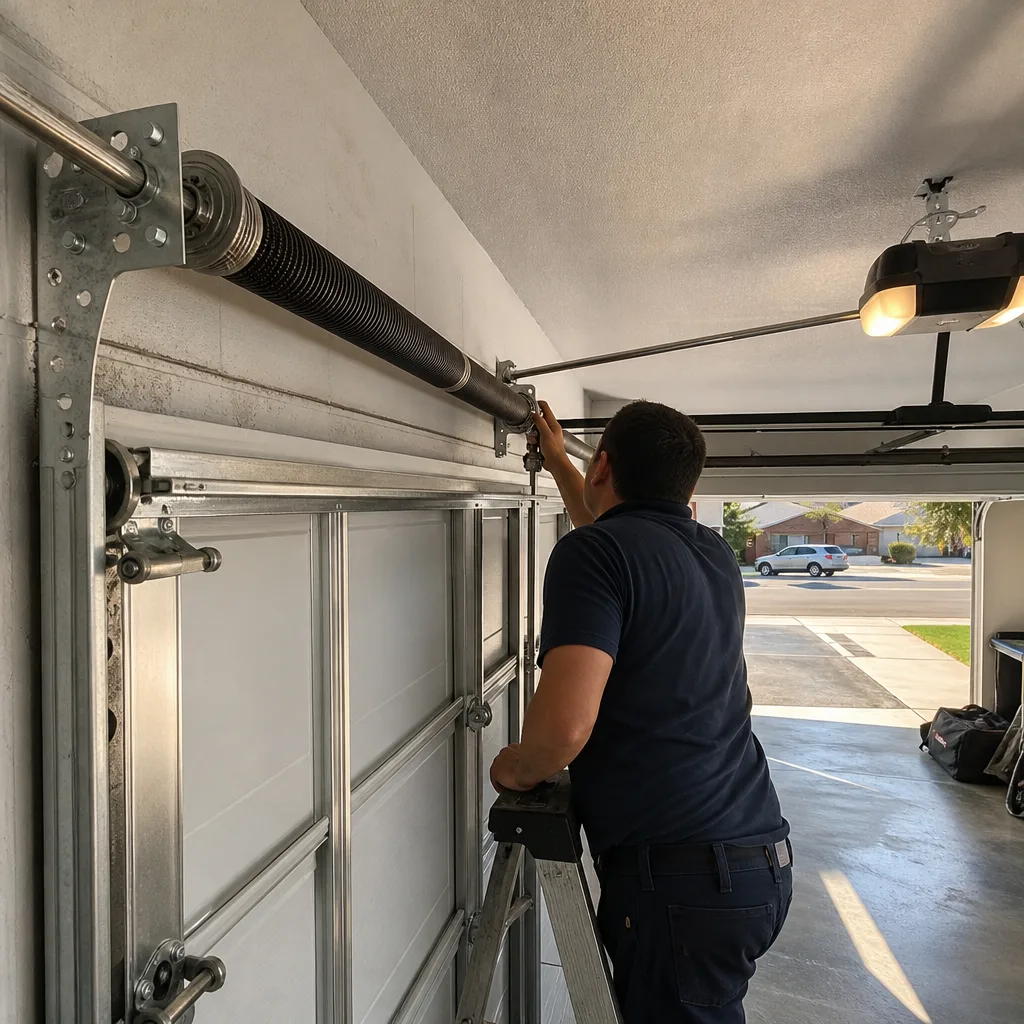
Warning: torsion springs under tension can cause serious injury or death if mishandled. Never attempt to remove or adjust a torsion spring yourself. The stored energy in a wound spring is enough to break bone or worse if it releases unexpectedly. This is the one repair where DIY is never appropriate. Lift cables are slightly less dangerous but still require the correct re-threading and tensioning procedures to avoid a door that drops on one side.
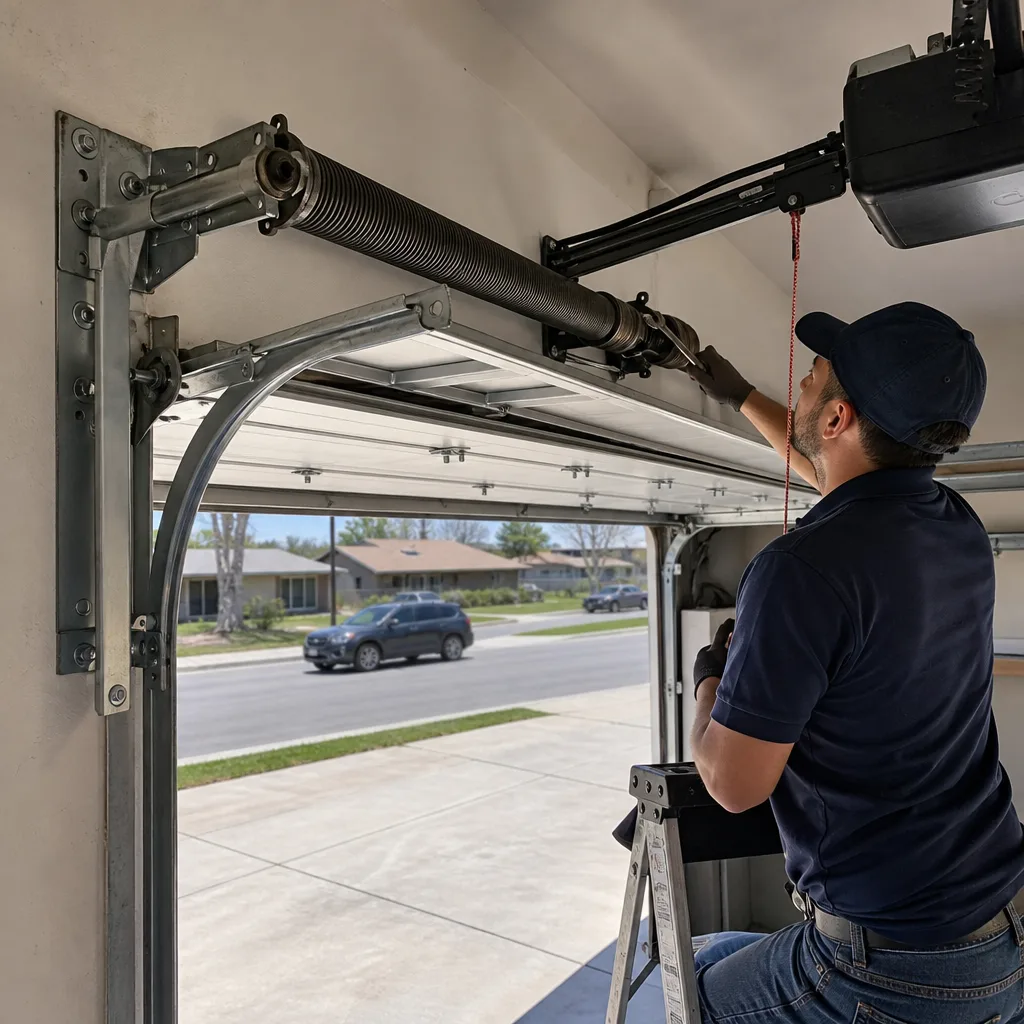
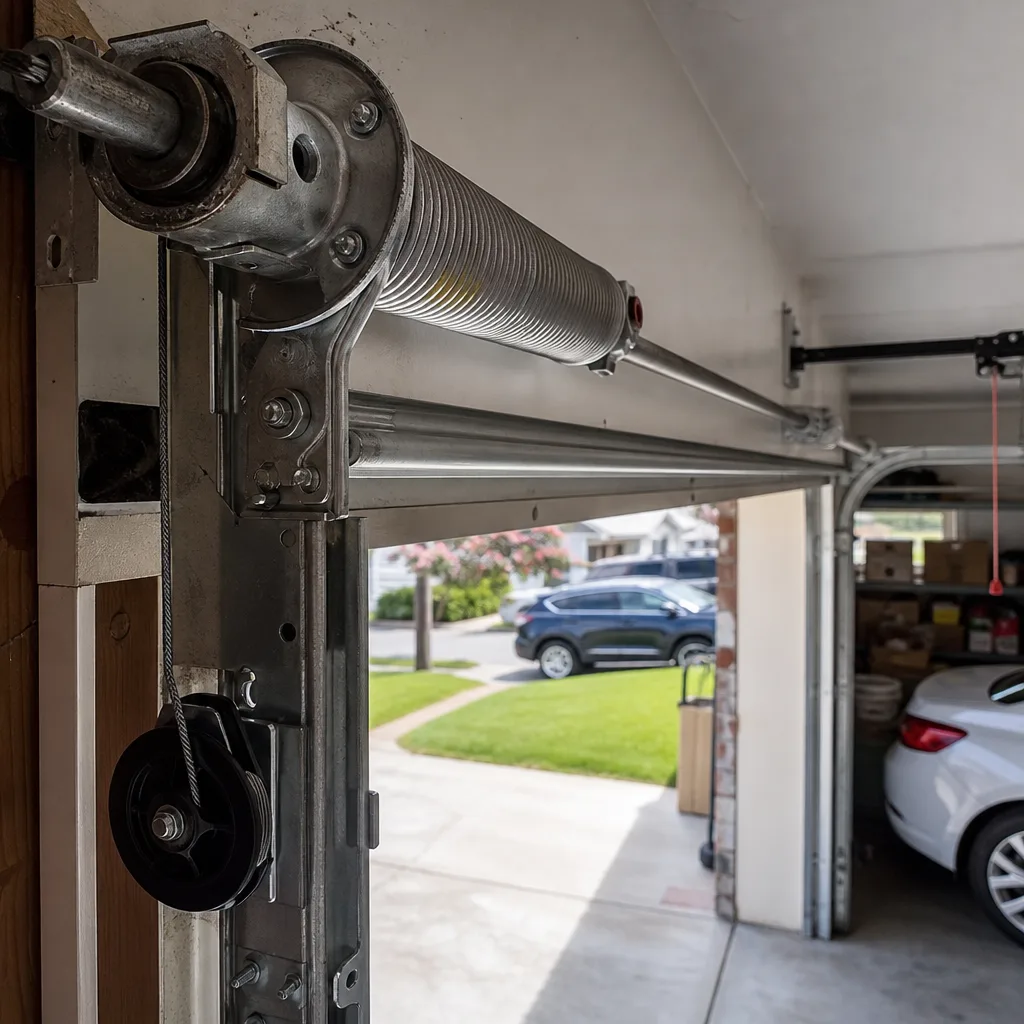
What does a broken spring sound like? If you’re home, it sounds like a gunshot or a heavy metallic snap from inside the garage. If you’re not home, you’ll find the door won’t open more than a foot and the opener strains and reverses. Look at the torsion tube above the center of the door. A broken spring will show a visible gap in the coil. On doors with two springs, both should be replaced as a pair because the remaining spring has the same cycle count and will fail soon. That’s a standard procedure any reputable garage door shop follows, and anyone who tries to sell you one spring on a two-spring door is leaving a second failure waiting to happen within months.
Who to Call and What to Have Ready During a Garage Door Emergency
When your garage door fails, you need a specialist, not a generalist. A general contractor who also fixes plumbing, HVAC, and doors is going to arrive, diagnose your brand, and likely need to order parts. A garage door specialist arrives already knowing the failure patterns on your brand of door and opener. That’s the difference between a repair this afternoon and a repair next week. Downtown Downey, the Stonewood area, and neighborhoods along Firestone Boulevard all have different housing ages and door types, and a local shop that works these streets has seen the full range.
When you call for emergency service in Downey, have this information ready:
- The brand of door and opener. Look for a label on the door edge or the opener motor housing. Common brands in Downey garages include Clopay, Amarr, and Wayne Dalton doors, paired with LiftMaster, Genie, or Craftsman openers.
- When the failure happened and what you heard. A loud snap indicates a spring. Grinding during operation points to a gear or roller. A twanging noise typically signals a cable issue. That 10 seconds of description helps the tech load the right parts before dispatch.
- Whether the door is stuck open, stuck closed, or partially open. This determines the urgency. A stuck-open door is a security emergency. A stuck-closed door with the car inside is a mobility emergency but not a security one.
- The approximate age of the door and opener. If the door is original to a 1970s Downey home, the tech will bring extra hardware because older mounting brackets and hinges are more likely to be corroded or stripped.
- Your address and the nearest major cross-street. In Downey, cross-streets like Lakewood Boulevard, Paramount Boulevard, and Telegraph Road help the tech navigate faster than a GPS alone.
Expect an emergency response window in the Downey area of anywhere from one to four hours depending on call volume and time of day. A specialist who can diagnose remotely over the phone, confirm the likely failure, and quote a firm price before dispatch is the pro you want on the line.
Preventive Measures That Reduce Emergency Risk
The best garage door emergency is the one that doesn’t happen. In Downey, where the dry heat accelerates rubber and nylon decay and the seismic risk adds a wild card, preventive maintenance is not optional if you want to avoid a midnight failure. These are the measures we recommend to every homeowner we serve.
- Annual spring and cable inspection. Have a professional inspect the torsion springs, lift cables, and drums for wear every year. A $100 inspection catches a $500 emergency before it happens. Cables that show fraying near the drum will snap within months, not years.
- Lubricate rollers and hinges twice a year. Use a silicone-based garage door lubricant, never WD-40 which displaces the existing lubricant and attracts dust. Nylon rollers on Clopay and Amarr doors benefit from a light spray on the roller ball bearings, not the wheel surface.
- Test the auto-reverse safety system monthly. Place a roll of paper towels on the floor under the door’s path and close the door. The door should reverse when it contacts the object. If it doesn’t, the opener needs service immediately. This is a safety feature, not a convenience.
- Check the balance every six months. Pull the manual release and lift the door by hand to about halfway. It should stay in place. A door that drifts down has weak springs. One that flies up has dangerous over-tensioning. Either way, a professional adjustment is needed.
- Replace batteries in remotes and keypads annually. A dead remote during a power outage means you’re standing outside looking for the keypad, which also has a dead battery because you changed both at the same time three years ago.
- Upgrade pre-1995 doors to current safety standards. Doors manufactured before federal safety standards went into effect in 1993 lack pinch-resistant sections and modern auto-reverse sensing. A full new installation on a 50-year-old door eliminates multiple emergency risks at once.
Preventive work on garage doors is the most cost-effective home hardening investment a Downey homeowner can make. It costs less than earthquake insurance and delivers immediate, measurable protection for the largest moving object in your home.
Common Mistakes to Avoid
- Forcing the door after it binds. When a door suddenly won’t move, pressing the opener repeatedly or pulling with your back is the fastest way to compound the damage. A bound door usually has a track or spring issue, and every forced cycle peels more metal.
- Ignoring slow operation as a quirk. In Downey’s warm climate, a door that creeps upward slowly or closes with an unusual thud is often an early spring warning. By the time the spring breaks at 4 AM on a Monday, the repair is an emergency instead of a scheduled visit.
- Disconnecting the opener without securing the door. Pulling the red release handle while the door is open, then having the door slam down because the springs are weak, is a common accident. Always support the door or close it fully before disengaging.
- Trying to replace extension springs without the proper tools. Old-school extension springs on 1960s and 1970s Downey homes stretch along the horizontal tracks and look deceptively simple. They store enormous energy and releasing one incorrectly can turn the spring into a projectile.
- Using the garage door as the primary entry after a seismic event. If the ground shook hard enough to feel in Downey, open the pedestrian door and inspect the track before hitting the opener. The temptation is to test the door immediately, but that’s exactly the moment a racked track does its worst damage.
- Leaving the release handle accessible to outside access. A coat hanger through the top weatherstrip can snag the emergency release handle on many doors, letting an intruder disengage the opener from outside. Clip a cable tie loosely around the release arm to make this harder, or remove the internal lock on the pedestrian door and use a deadbolt.
- Calling a generalist instead of a specialist. A handyman who sees one garage door a month doesn’t know that Wayne Dalton and Amarr doors use completely different bottom bracket designs, or that older Craftsman openers have a known gear failure mode. The wrong diagnosis means the wrong part and a second service call.
When to Call a Professional
Any garage door failure involving a torsion spring, lift cable, or structural track damage is a professional repair, period. The energy stored in these components is enough to injure even with experience, and the specific tools required aren’t in most Downey garages. Call a professional when you hear a loud snap, when the door is visibly uneven on one side, when cables show fraying, or when the door will not stay open under manual operation. Garage Door Service Downey offers free estimates in Downey. Call (844) 734-1196 and describe the failure, and we’ll get a garage door opener repair or door repair scheduled fast. We work exclusively on garage doors, and our service area covers all of Downey, including the neighborhoods near Stonewood Center and down Florence Avenue.
Frequently Asked Questions
Run the four post-earthquake checks before touching the opener: verify the vertical and horizontal tracks are straight, confirm the rollers are seated in the track, and check the opener center bracket above the door for movement. If anything looks shifted by more than a quarter inch, call a professional for emergency garage door service in Downey before operating the door further.
Emergency garage door repair in the Downey area typically runs $180 to $450 depending on the failure. A broken torsion spring replacement usually lands in the $250 to $400 range on a standard residential door, while a cable re-thread and track re-alignment can run $180 to $300. Add-ons like replacing a stripped opener carriage gear or a bent roller add $50 to $150 per component. Call (844) 734-1196 for a firm quote, and be wary of anyone who won’t give you a price before dispatch.
Yes, a stuck-open door is treated as a security emergency and prioritized in the Downey area. A specialist who knows the Downey service area can typically reach you within one to four hours depending on call volume. In the meantime, secure the pedestrian door, unplug the opener, and move valuables out of the garage. Call (844) 734-1196 and let us know the door is stuck open.
No, the price is quoted and agreed before any work starts. A legitimate Downey garage door company will ask the right diagnostic questions on the phone, give you a firm quote, and stick to that number when they arrive. If the door proves to have additional problems once it’s opened up, the new work is quoted and approved separately before proceeding.
Yes, a properly stocked garage door specialist serving Downey carries springs, cables, rollers, hinges, and opener gears for the major brands they service on the truck. A generalist typically needs to order parts, which means a second visit. We carry parts for Clopay, Amarr, Wayne Dalton, and Craftsman doors as well as LiftMaster, Genie, and Chamberlain openers, which covers the majority of what’s installed in Downey homes.
No, a door left on the manual release is unsecured and can be lifted from outside by anyone who tries. If you can’t re-engage the opener, close the door manually and lock the release mechanism if possible, or use a pipe clamp on the track above a roller to block the door from being lifted. The door should be professionally reconnected and inspected as soon as practical, especially if the disengagement itself was the result of an earthquake or a spring issue.
The Bottom Line
Garage door emergencies in Downey break into two categories: the predictable failures that come from age and cycle count, and the unpredictable failures triggered by seismic events. Both are manageable with the right preparation. You need to know the manual release procedure for power outages, the four structural checks for post-earthquake inspection, and the security protocol for a door stuck open. Springs, cables, and track work are professional jobs, and in a Downey emergency the difference between a specialist and a generalist is the difference between a same-day repair and a week of hassle. Prepare now, respond calmly, and call a pro who does this every day. For emergency garage door service in Downey, contact Garage Door Service Downey at (844) 734-1196 for a free estimate.
Written by the team at Garage Door Service Downey, serving Downey since 2016.
See the difference
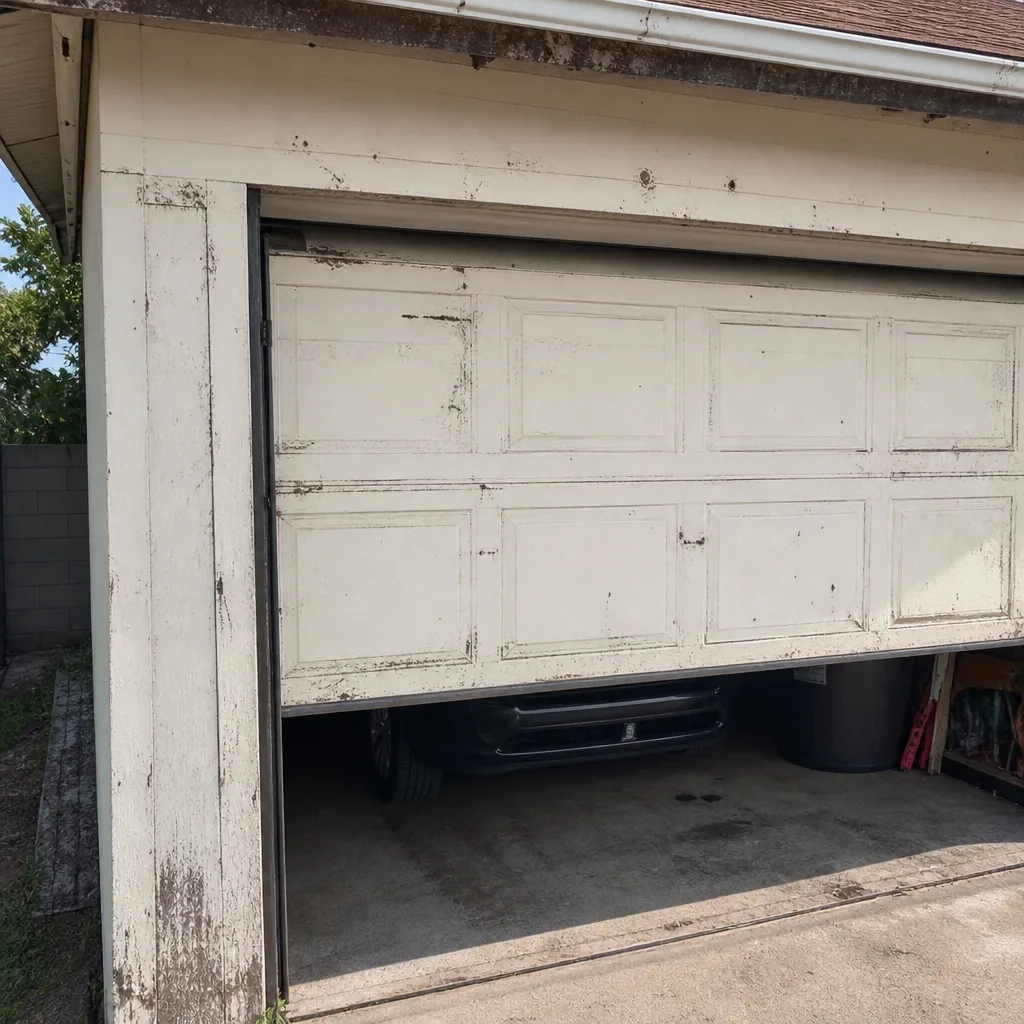 Before
 After
 Before
 After
 Before
 After