
Last updated November 2, 2026
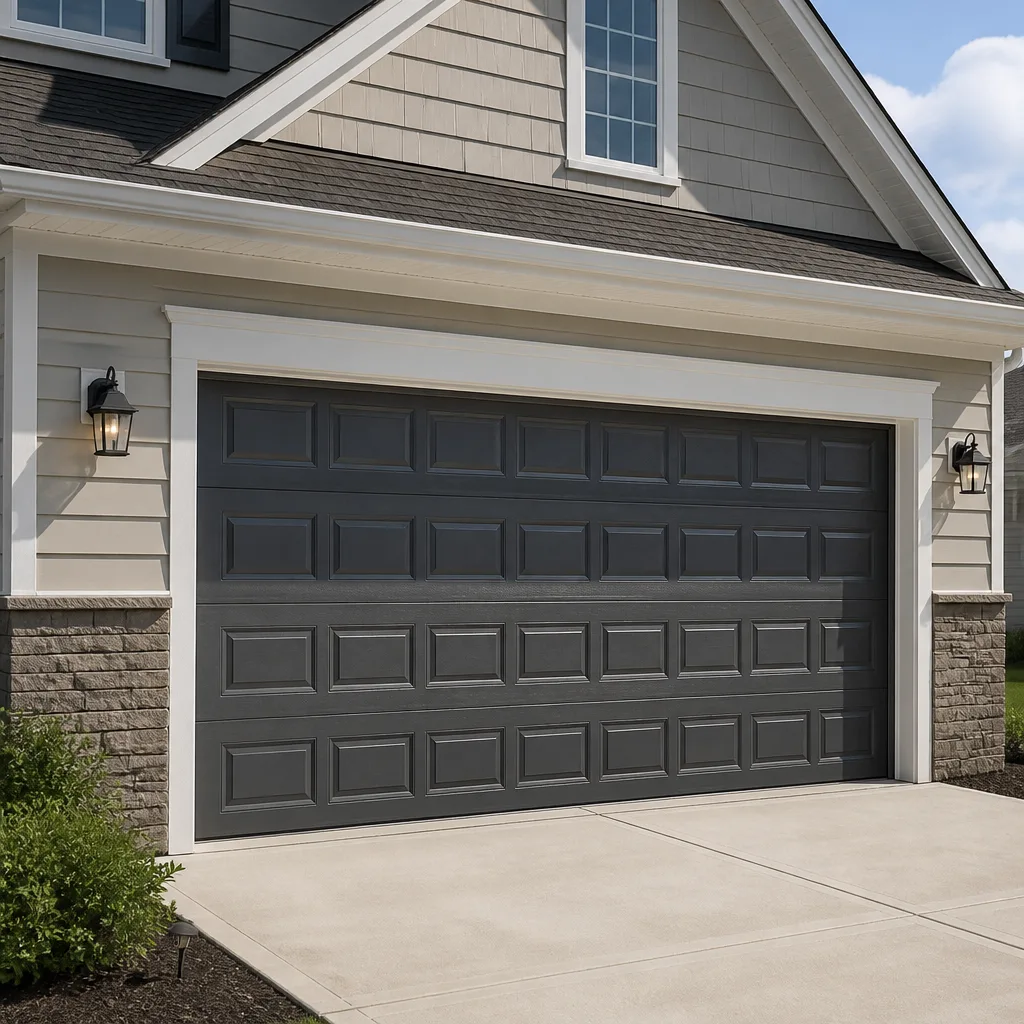 Raised-panel steel
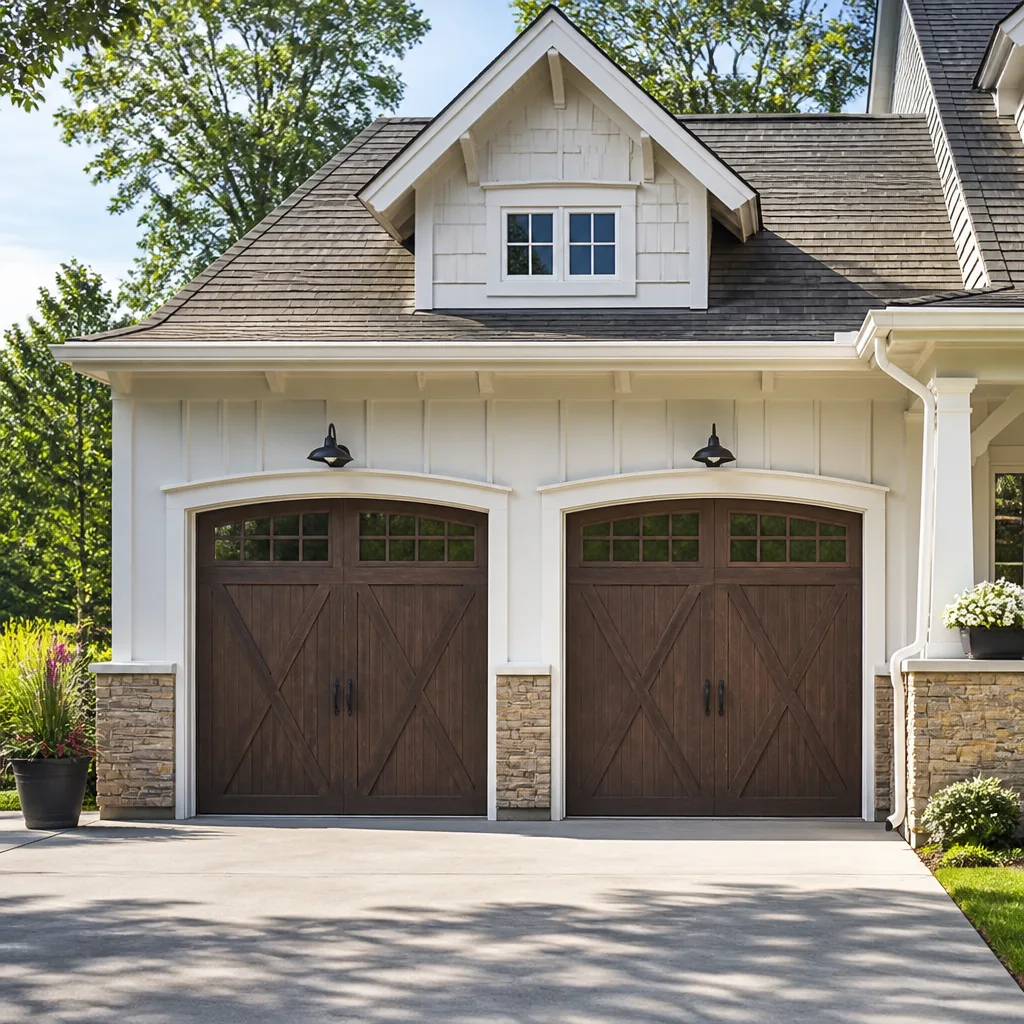 Carriage house
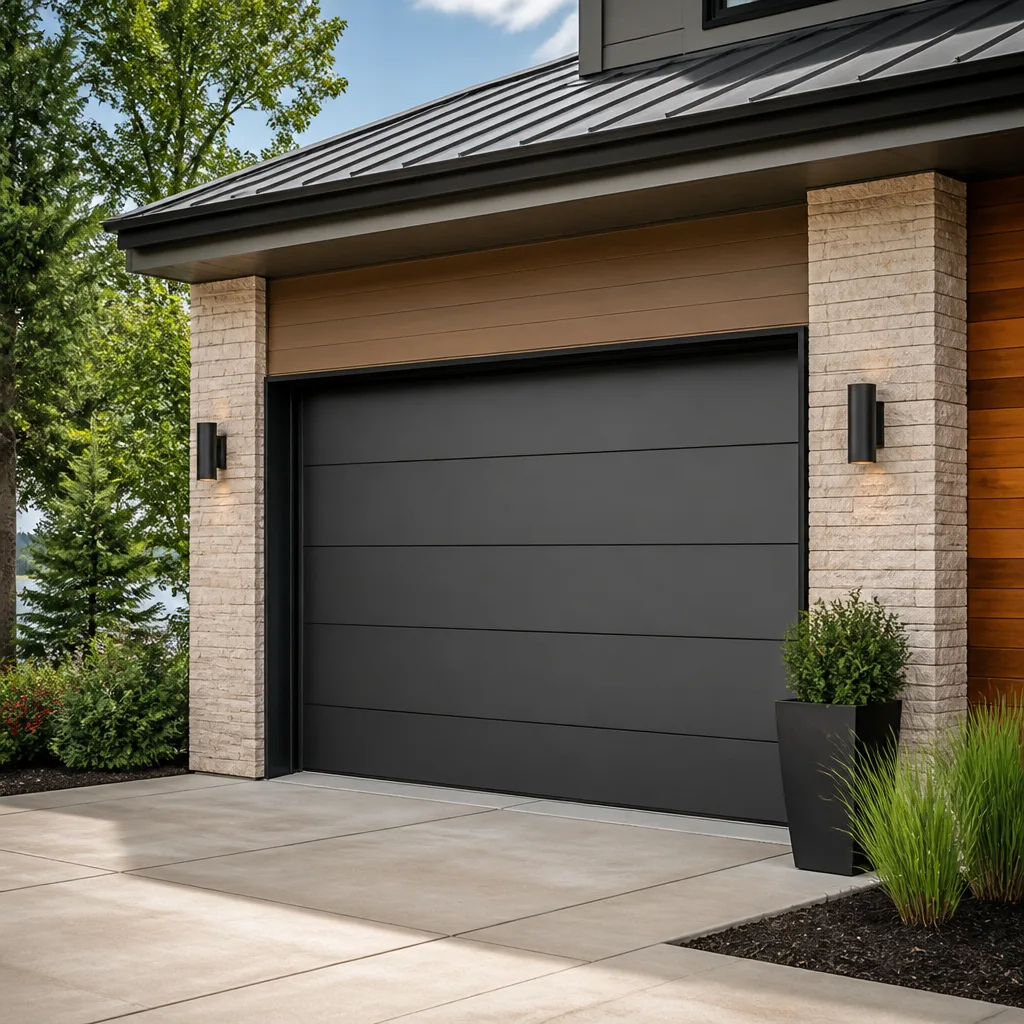 Modern flush
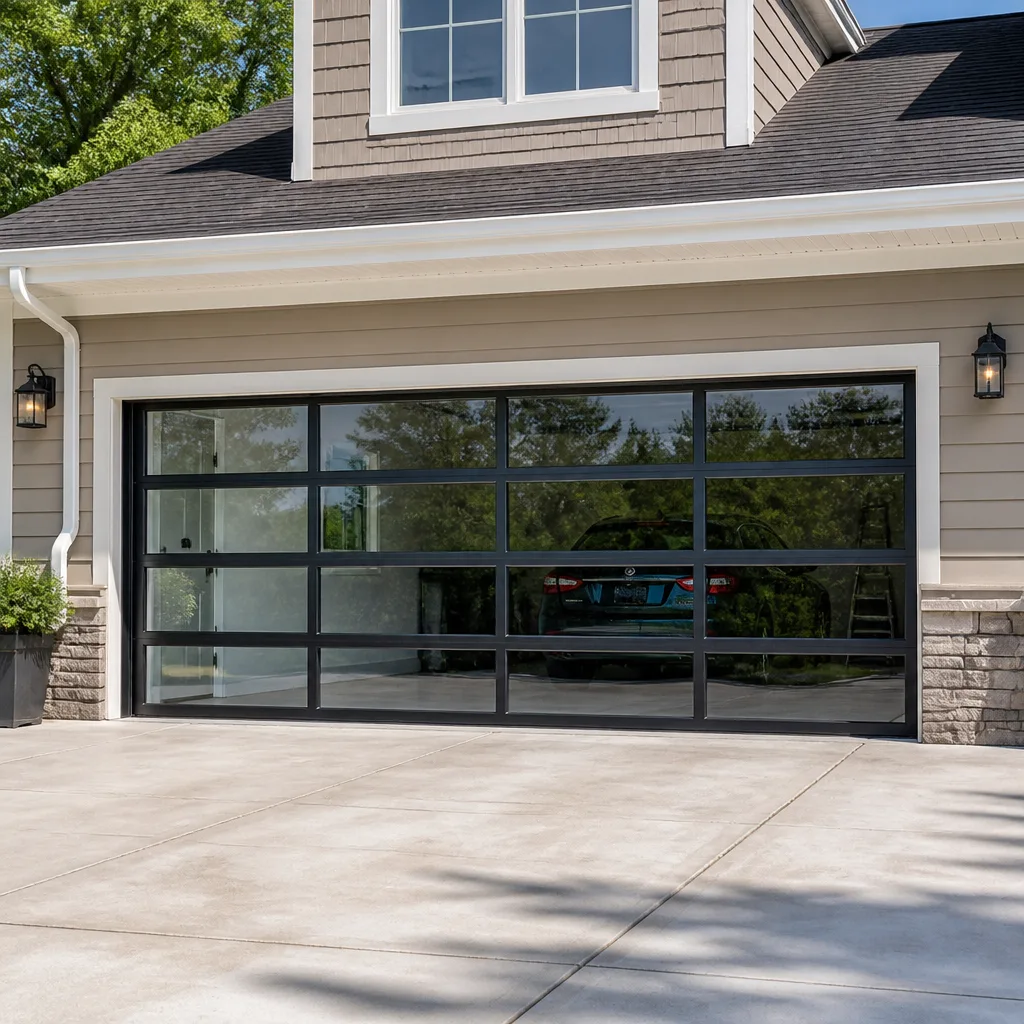 Full-view glass
 LiftMaster openers
 Chamberlain openers
Full 25-point door and opener safety check with every visit - springs, cables, rollers, tracks, and your LiftMaster or Chamberlain opener included
You get a price before we start. It does not change when the truck arrives.
Get your free estimateGarage Door Permits, Codes & Inspections in CA: What You Need to Know
Here’s a fact most Downey homeowners learn the hard way: California has some of the strictest garage door code requirements in the country, and a surprising number of homes in Southeast Los Angeles County fail inspection at the point of sale because of unpermitted or non-compliant garage door work. CBC Section 406, seismic bracing rules for our high-shake zone, and wind load ratings aren’t optional paperwork – they’re enforceable building code. In this guide, we’ll walk through exactly when a permit is required, what triggers a fire-rated door mandate, what happens if you skip the permit, and how to fix it without tearing your hair out. For Garage Door Repair Troubleshooting: Common Problems and How to Fix Them, see our dedicated resource.
Quick Answer
In California, a garage door permit is generally required when you alter the structural opening, replace a door with a different type or size, or convert a garage to living space – while a true like-for-like replacement of the same size and type in the same opening is usually exempt. The exception: if the door connects an attached garage to living space, California Building Code Section 406 may require a fire-rated assembly regardless of whether you pulled a permit. In Downey, the Building & Safety Division enforces these rules at the counter and in the field, and unpermitted work has a nasty habit of surfacing during escrow inspections.
Styles & brands we work with
- Raised-panel steel
- Carriage house
- Modern flush
- Full-view glass
- LiftMaster openers
- Chamberlain openers
Table of Contents
- When a Garage Door Permit Is Actually Required in California
- Downey-Specific Permit Thresholds and Local Amendments
- CBC Section 406: Fire-Rated Door Requirements for Attached Garages
- Seismic Disconnect and Bracing Requirements in Southern California
- Wind Load Ratings and Why They Matter in Downey
- What a Permit Inspection Looks Like in Downey
- How Unpermitted Garage Door Work Gets Discovered When You Sell
- Retroactive Permits: Fixing Unpermitted Work Through Downey Building & Safety
When a Garage Door Permit Is Actually Required in California
The short version: California’s Residential Code (CRC) requires a building permit for any garage door work that changes the opening, the structural support around the opening, or the door’s fire rating. The long version involves a lot of “it depends” that we deal with weekly on service calls across Downey.
You need a permit when:
- The rough opening changes size. Cutting a wider or taller hole for a new door means structural work. The header above the opening carries load from the wall and sometimes the roof. Change it, and an engineer or the city needs to sign off.
- The door type changes. Swapping a solid wood swing-out garage door for a sectional roll-up? That changes how the door is supported, how it operates, and potentially how it performs in a fire. Permit required.
- The door location moves. Relocating a garage door to a different wall changes the building’s lateral load path. Full stop, permit.
- A garage converts to living space. This triggers a whole different review process under California’s accessory dwelling unit (ADU) and garage conversion rules. The door often gets removed entirely, and the opening gets infilled with a wall that must match the existing structure.
- You’re installing a door between the garage and the house. This is the one homeowners miss most often. If the door wasn’t there before, or you’re replacing a non-rated door with another non-rated door, the new or altered assembly may need to meet the fire separation requirements in CBC Section 406.
You typically do not need a permit when:
- Replacing a sectional garage door with a new sectional garage door of the same size in the same opening.
- Replacing garage door springs, cables, rollers, or tracks on an existing door.
- Replacing a garage door opener with a new opener in the same location.
- Replacing weatherstripping, panels on a sectional door (as long as the door’s fire rating isn’t compromised), or hardware like hinges and brackets.
Here’s the thing that catches people off guard: “like-for-like” is interpreted strictly. Same size means the same width and height, not “close enough.” Same type means a sectional for a sectional, not a sectional for a carriage door. If you’re unsure, call Downey’s Building & Safety Division before you start – a five-minute phone call beats a failed home inspection down the road.
Downey-Specific Permit Thresholds and Local Amendments
Downey operates under the California Building Standards Code (Title 24), but like most cities in Los Angeles County, it has adopted local amendments that can make the rules slightly different from what you’d find in a neighboring city like Norwalk or South Gate. We’ve worked on enough garage doors in Downey to know where the friction points are.
Here’s what to know about Downey specifically:
- Structural changes always need a permit. Downey’s Building & Safety Division follows the standard CRC Section R105 rules: any alteration to the structural components of a building requires a permit. A garage door header is structural. This is not negotiable in Downey.
- Electrical work for openers needs a permit if you’re running new circuits. Replacing an opener that plugs into an existing outlet? No permit. Running a new dedicated circuit for a new opener or adding an outlet for a battery backup? That’s electrical work, and Downey’s inspectors enforce it.
- Downey’s plan check process is straightforward but not instant. Small residential permits typically go through a counter plan check. You bring your door specs, opening dimensions, and product documentation. In our experience, simple garage door permits in Downey are often issued same-day or within a few business days, depending on workload.
- Fees are tied to valuation. Like most cities, Downey calculates permit fees based on the declared value of the work. A $2,500 door replacement has a much lower permit fee than a $12,000 structural alteration with a new header.
- You’ll need product documentation. The city wants to know the door you’re installing meets the required fire rating (if applicable) and that the manufacturer’s specifications match the opening. This is where homeowners who buy doors online without documentation run into trouble.
When we do a permitted garage door installation in Downey, we handle the paperwork side as part of the job. The homeowner shouldn’t have to decipher CBC code sections alone. But we also tell every customer: if your contractor says “you don’t need a permit” and the opening is changing, get a second opinion. The city’s position on this is clear, and the liability lands on the property owner.
CBC Section 406: Fire-Rated Door Requirements for Attached Garages
This is the section of code that causes more failed escrow inspections in California than any other single issue we see. CBC Section 406 governs motor vehicle related occupancies, and it includes strict requirements for the separation between an attached garage and the living spaces of a home.
Here’s the requirement in plain English: any door that connects an attached garage directly to the interior of the house must be a fire-rated assembly. This means either a solid wood door at least 1-3/8 inches thick, a solid or honeycomb-core steel door at least 1-3/8 inches thick, or a 20-minute fire-rated door with the proper frame and hardware. The door must also be self-closing and self-latching.
For the vehicle door itself (the big one facing the street), the fire separation requirements apply to the walls and ceiling between the garage and living space, not to the vehicle door. But here’s the nuance Downey homeowners miss: if your garage is attached and has a door or hatch leading into the house or into an attic space shared with the house, that opening is where the fire rating matters.
What we see in the field across Downey:
- Homes built in the 1950s and 1960s often have the original wood door between the garage and the kitchen or laundry room. These doors frequently fail because they’re hollow-core, or because the self-closing hinge was removed decades ago.
- Garage conversions done in the 1980s without permits sometimes removed the separation door entirely or replaced it with something that doesn’t meet the rating.
- Homeowners who install a pet door in the garage-to-house door instantly void the fire rating. That’s a failed inspection waiting to happen.
The fix isn’t complicated: install the correct rated door, add self-closing hinges, and make sure the frame is in good condition. But the cost and the timing matter. A failed fire separation inspection during escrow can delay a close by weeks and give a buyer leverage to demand repairs. We handle the vehicle door side of this every day, and when we see a bad separation door on a service call, we mention it. Homeowners would rather know before the home inspector does.
Seismic Disconnect and Bracing Requirements in Southern California
Southern California sits in one of the most seismically active regions in the country. Downey is less than 10 miles from the Newport-Inglewood fault, which produced the 1933 Long Beach earthquake. The building code reflects that reality in ways that directly affect your garage door installation.
California Building Code Section 1905 and the referenced standards require that garage door systems in high seismic design categories include specific hardware that a code-compliant installation must have:
- Seismic disconnect switches for openers. California requires garage door openers to include a seismic disconnect device that shuts off the opener in the event of significant ground motion. This is a sensor that deactivates the opener mechanism so the door can’t open or close on its own during a quake. If your opener predates this requirement (roughly pre-2000), it doesn’t have one.
- Header and jamb bracing. The structural members around the garage door opening resist lateral forces during an earthquake. When an opening is altered or a heavier door replaces a lighter one, the bracing requirements can change. This is one of the reasons a like-for-like replacement is exempt: the existing bracing was designed for the existing load.
- Track bracing and reinforcement. In high seismic zones, garage door tracks must be reinforced to remain captive to the wall and ceiling during shaking. Depending on the door weight and the opener type, this can include horizontal track bracing, vertical track reinforcement, and stronger mounting hardware.
- Battery backup requirements. Since 2019, California has required that all newly installed residential garage door openers include battery backup functionality. This came out of the 2017 wildfire season, when people lost power and couldn’t open their garage doors to evacuate. The requirement is in California Health and Safety Code Section 19890.
Here’s the practical takeaway for a Downey homeowner: a garage door that works fine day-to-day might still be non-compliant with seismic code. We find older openers without battery backup, door installations from the pre-2000 era that use lighter track gauge systems, and handyman-installed doors that skipped the track reinforcement entirely. For a full rundown of what to watch for, check our Garage Door Warning Signs: A Downey Homeowner’s Reference Guide. The work looks fine until an inspector checks it against current code – which is exactly what happens when the house goes into escrow.
Wind Load Ratings and Why They Matter in Downey
Downey doesn’t sit in a hurricane zone like Florida, but California code still requires garage doors to meet specific wind load design pressures. The applicable standard is CBC Section 1609, which incorporates ASCE 7 wind load calculations. For Downey, that translates to a design wind speed of roughly 85-90 mph depending on exposure category.
What that means in practice: the garage door you install must be rated by the manufacturer for the wind pressures that apply to your specific site. A door that meets code in, say, Phoenix, might not meet the requirements for a Downey home with certain exposure conditions.
The factors that affect wind load rating:
- Building height and exposure. A single-story home in a dense Downey neighborhood has different wind exposure than a three-story home with open surroundings.
- Door size. A 16-foot-wide double door has a much larger sail area than a single 8-foot door, so the structural requirements are more demanding.
- Track gauge and reinforcement. The door tracks, mounting brackets, and reinforcement struts all factor into the wind resistance calculation.
- Door material and construction. Steel-backed insulated doors from brands like Clopay and Amarr are typically engineered to higher wind load ratings than a basic non-insulated pan door.
When we spec a new door for a Downey customer, we match the door to the wind load requirements rather than just suggesting “a nice 16-footer.” Wayne Dalton and Amarr both publish detailed wind load charts for their product lines, and we use those charts to confirm the door meets CBC requirements before we order it. A homeowner buying a door online doesn’t have that documentation – which creates a problem at permit time if one is required.
What a Permit Inspection Looks Like in Downey
If you have pulled a permit for garage door work in Downey, here’s the sequence you can expect. It’s broken into numbered steps so you know what’s coming.
- Permit issuance and plan review. The Building & Safety Division reviews your submittal. For a straightforward garage door replacement in a like-for-like opening that still requires a permit (example: fire-rated door replacement), this may be an over-the-counter approval. For structural changes, expect a longer review. You’ll get an inspection card with the required inspection types listed.
- First inspection: rough framing. If the work includes structural changes to the header, jambs, or bracing, the inspector comes out before the door is installed to verify the framing, hold-downs, and bracing connections. This inspection is critical and if it’s skipped, the final won’t pass.
- Second inspection: door installation. The inspector verifies that the installed door matches the approved plans, that it’s the correct size and type, and that the installation follows the manufacturer’s specifications. For fire-rated doors between garage and living space, the inspector checks the door’s rating label, the frame, and the self-closing hardware.
- Third inspection (if applicable): electrical. If new circuits were added for an opener, a separate electrical inspection is required. The inspector checks the circuit, grounding, and that the opener is properly connected.
- Final sign-off. All listed inspections are signed off on the inspection card, and the permit record is closed. You’ll receive final documentation that becomes part of the property’s permit history.
The single biggest reason garage door permit inspections fail in Downey is incomplete documentation – the homeowner can’t produce the door’s product specifications, or the fire-rated door label was painted over, or the self-closing hinges were never installed. The second-biggest reason is a contractor who didn’t pull the final inspection because they’d already been paid. That’s a problem you, the homeowner, inherit. We always recommend confirming the final inspection is signed off before making the final payment on any permitted garage door project. Our Garage Door Repair Maintenance Checklist for Downey Homeowners covers what to verify at each stage.
How Unpermitted Garage Door Work Gets Discovered When You Sell
This is the section that makes California homeowners sit up straight. Unpermitted garage door work is almost never discovered during the work itself. It’s discovered three ways:
- The buyer’s home inspector catches it. A home inspector who knows what they’re doing can spot a non-compliant fire separation door, a missing battery backup opener, or track work that doesn’t meet current code. This goes in the inspection report, and the buyer asks questions – or asks for a credit.
- The appraisal or escrow process flags permit history. When you sell a house in California, the seller is required to disclose known unpermitted work. But even when the seller doesn’t know or doesn’t disclose, the buyer’s lender or title company may pull the property’s permit history and notice that the garage door appears newer than the permits on file.
- The city sees it during other permitted work. You’re getting an ADU, a room addition, or a new roof done with permits. The city inspector walks the property and notices a garage door that doesn’t match records. Now your small ADU project is held up while the garage door permit issue gets sorted.
What does remediation cost? In our experience in the Downey market, a retroactive permit with corrections for a garage door typically runs anywhere from a few hundred dollars (simple like-for-like replacement with permit and inspection) to $2,000-$5,000 (fire-rated door replacement with frame work, or structural reinforcement to bring an old installation up to current code). Compare that to doing it right the first time, when the same work might have added $150-$500 to the total project cost.
The other cost is time. During escrow, every day of delay is a negotiation point for the buyer. We’ve seen home sales in Downey delayed by two to three weeks while a garage door permit issue got resolved. If the fix requires a new door order, that’s another 2-4 weeks on top.
Retroactive Permits: Fixing Unpermitted Work Through Downey Building & Safety
Downey’s Building & Safety Division processes retroactive permits for unpermitted work, and the process is more common than most homeowners assume. Here’s the step-by-step:
- Contact the division and explain the situation. Tell them what work was done, when, and by whom. Bring whatever documentation you have: photos, receipts, product information.
- Schedule a pre-inspection or plan review. The city may send an inspector to verify what exists on the ground before issuing the retroactive permit. This is also when they identify what’s non-compliant and needs correction.
- Correct the deficiencies. This could mean replacing a non-rated door between garage and house, adding a battery backup opener, or reinforcing track systems to meet seismic requirements. The city issues a correction list, and you work through it.
- Receive the retroactive permit and pass inspection. Once corrections are complete, the city issues the permit (possibly with late fees or a penalty multiplier) and performs the final inspections. When those pass, the work is officially permitted and documented.
- Keep the paperwork. The final permit card and inspection sign-offs become part of your property’s permanent record. When you sell, this clean history is a genuine asset that prevents negotiation leverage for the buyer.
Downey is not the harshest city in LA County on retroactive permits, but it’s thorough. The inspectors know the code, and they’ll catch a fire-rated door that isn’t self-closing or an opener that predates the battery backup requirement. Our advice to homeowners facing this process: don’t try to hide the unpermitted work. The city has seen it a thousand times, and cooperation gets you through it faster than denial.
Common Mistakes to Avoid
- Assuming “like-for-like” means “close enough.” California code is specific: the replacement door must match the original size, type, and fire rating, or a permit is required. A 7-foot door replacing a 6-foot-6 door changes the opening and needs a permit.
- Removing the self-closing hinges from the garage-to-house door. That door must self-close and self-latch to maintain the fire separation between the garage and living space. The hinges are the most overlooked item in residential fire safety.
- Skipping the battery backup on a new opener. California has required battery backup on all new residential garage door openers since 2019. A new opener installed without one will fail inspection, and it’s also a genuine safety issue during power outages.
- Buying a door online without wind load documentation. If a permit is required and you can’t produce manufacturer wind load charts for your specific door and site, the city won’t issue the permit. This is a problem we see with big-box and online door purchases.
- Using a general contractor who subs out the garage door work. When the sub isn’t licensed for the specific scope or doesn’t pull the final inspection, the permit stays open and the liability stays with the property. Confirm the final inspection is signed off before paying the last invoice.
- Converting a garage to living space without addressing the door opening. If the door gets framed in with a wall, that wall must meet the same structural and fire requirements as the rest of the house. A quick 2×4 infill doesn’t pass in Downey.
- Trusting verbal advice from a contractor who says “you don’t need a permit.” The city’s position is what matters, not the contractor’s convenience. A five-minute call to Downey Building & Safety resolves the question definitively.
See the difference
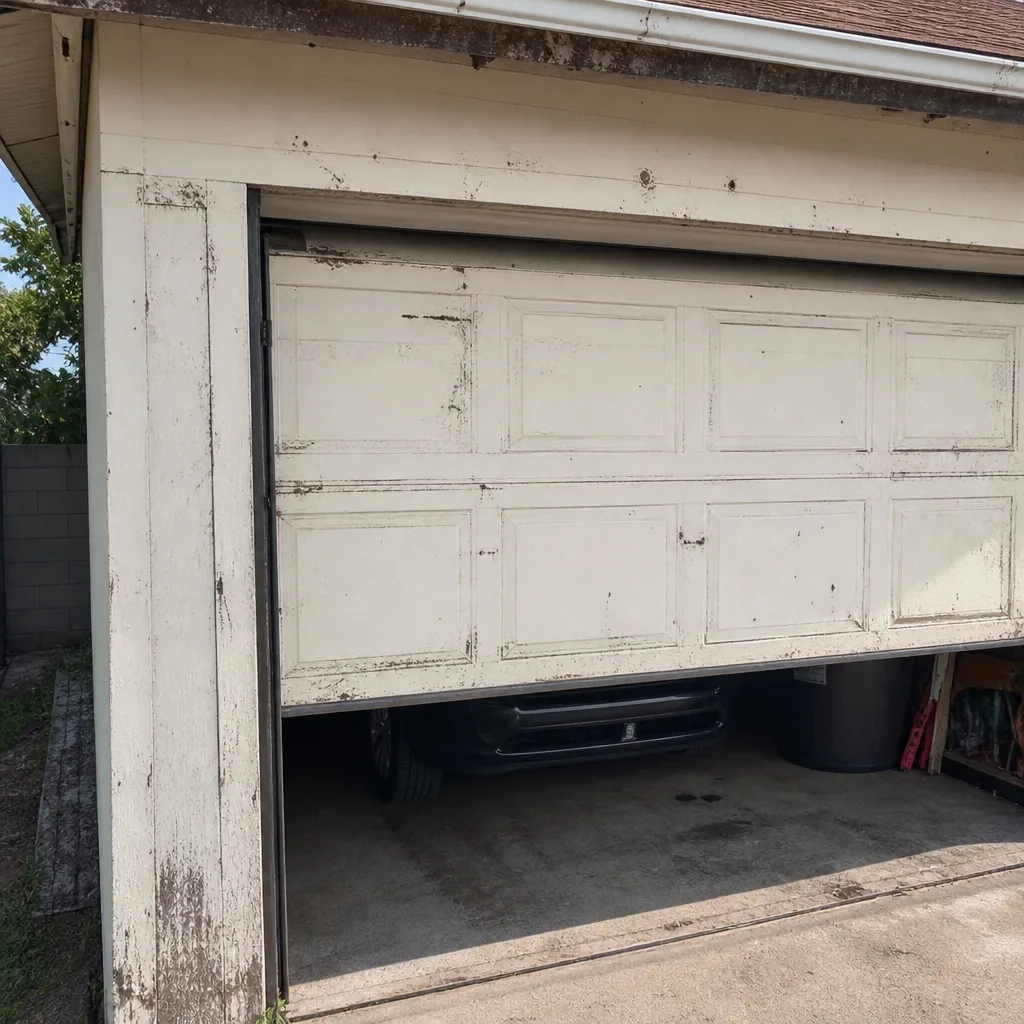 Before
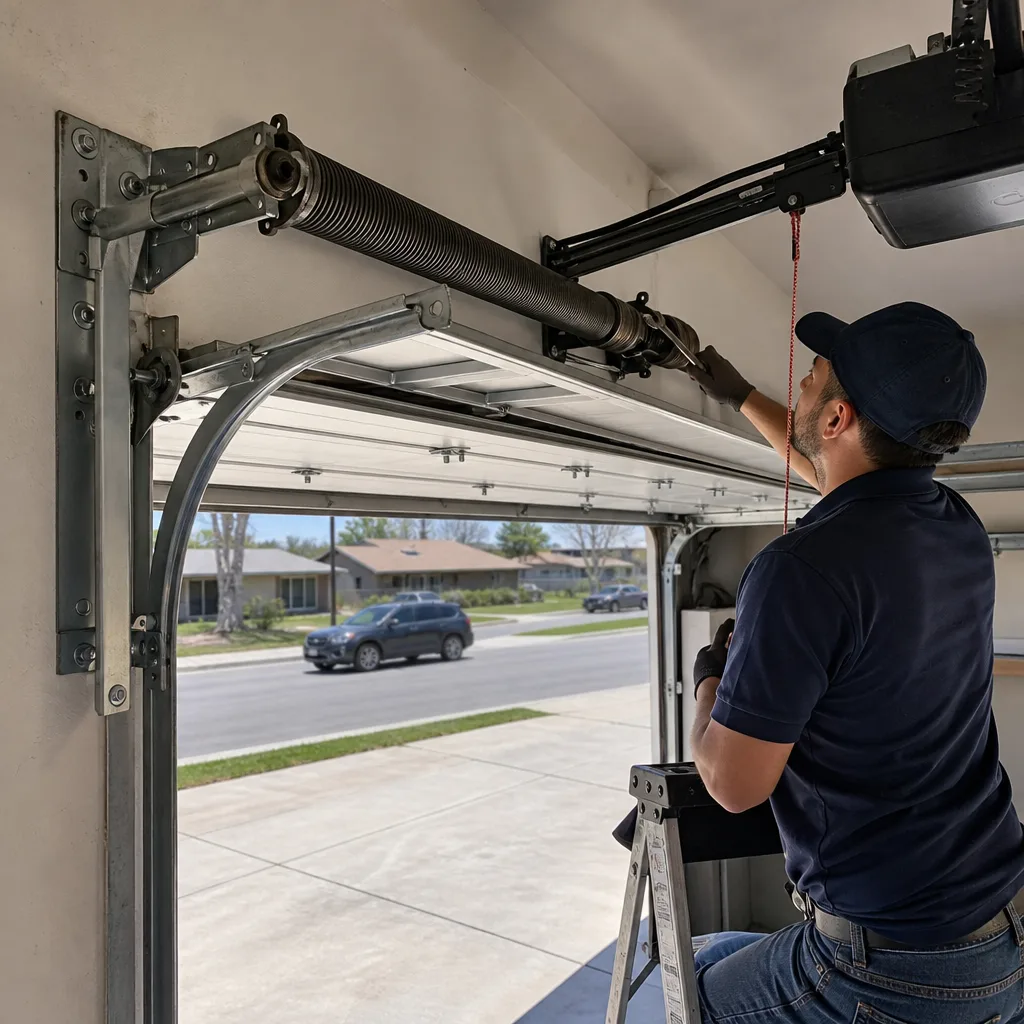 After
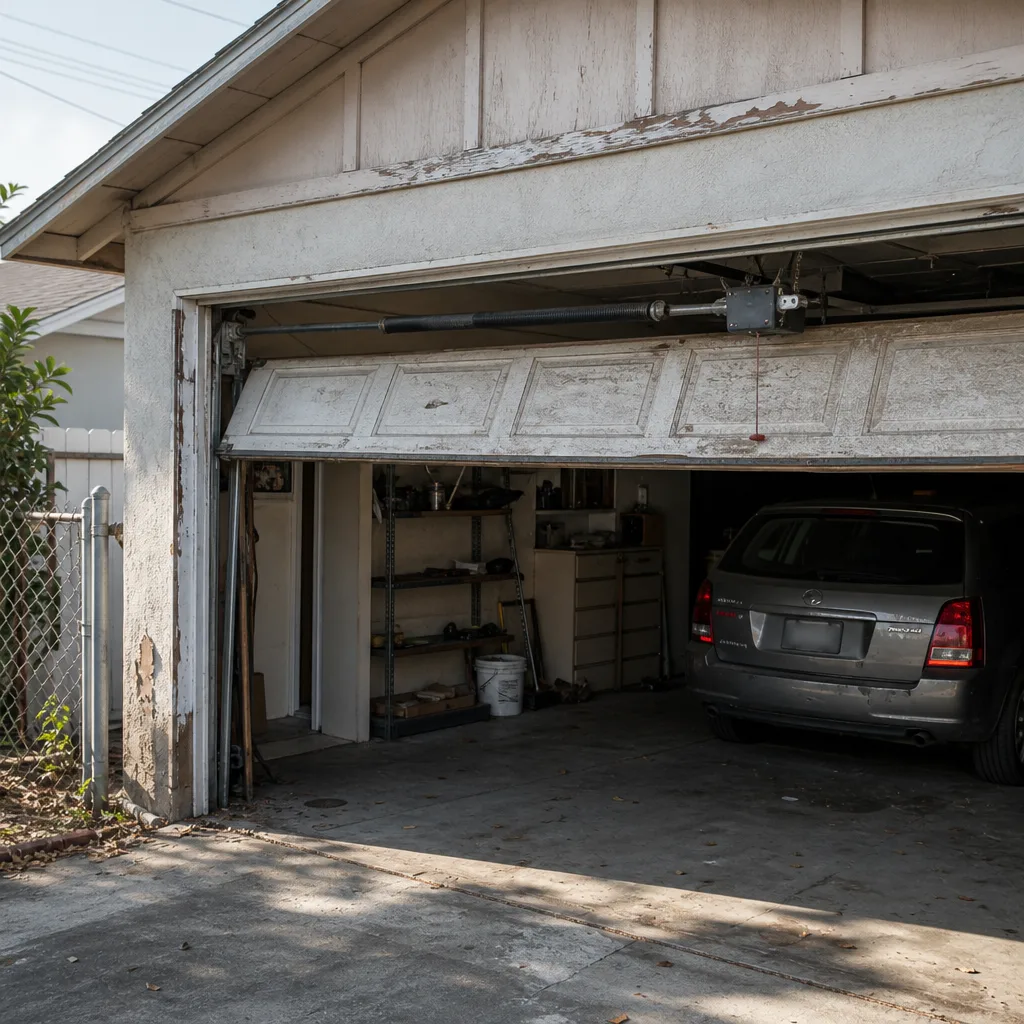 Before
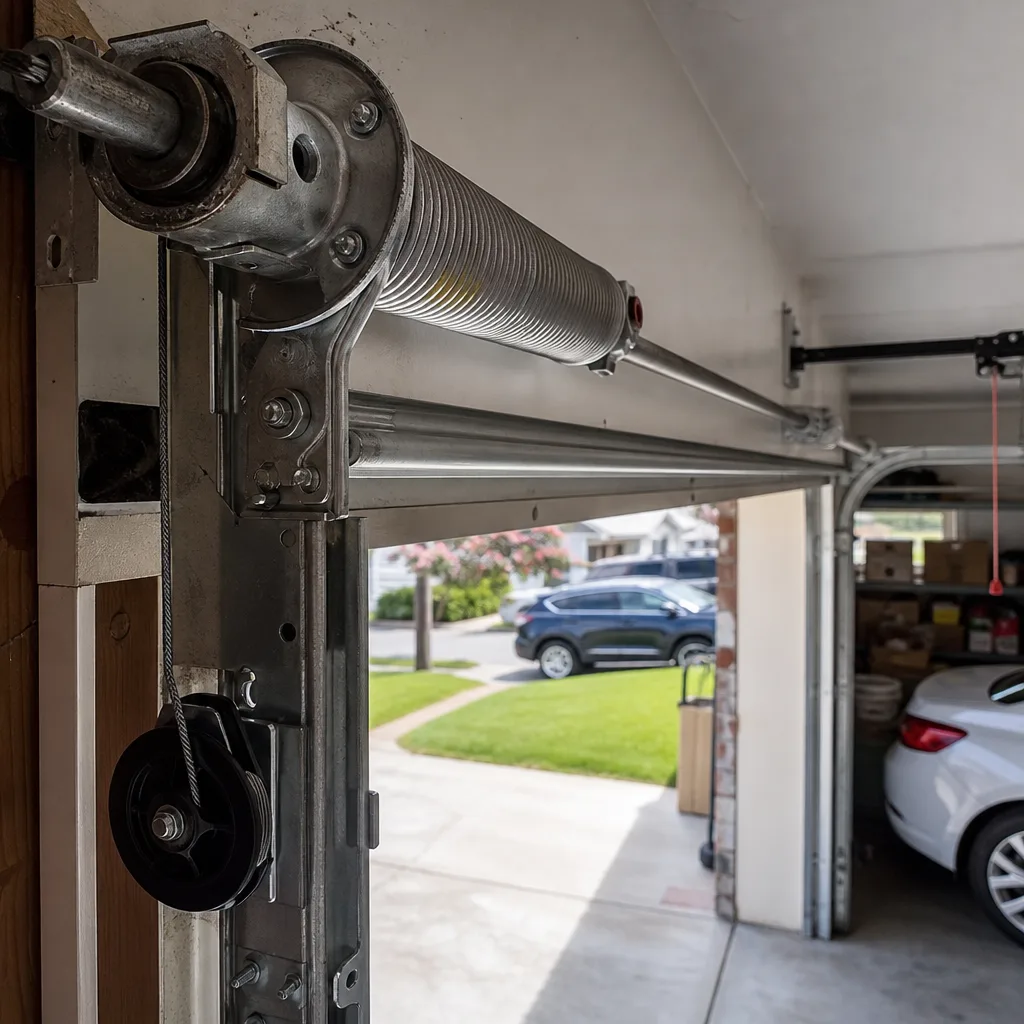 After
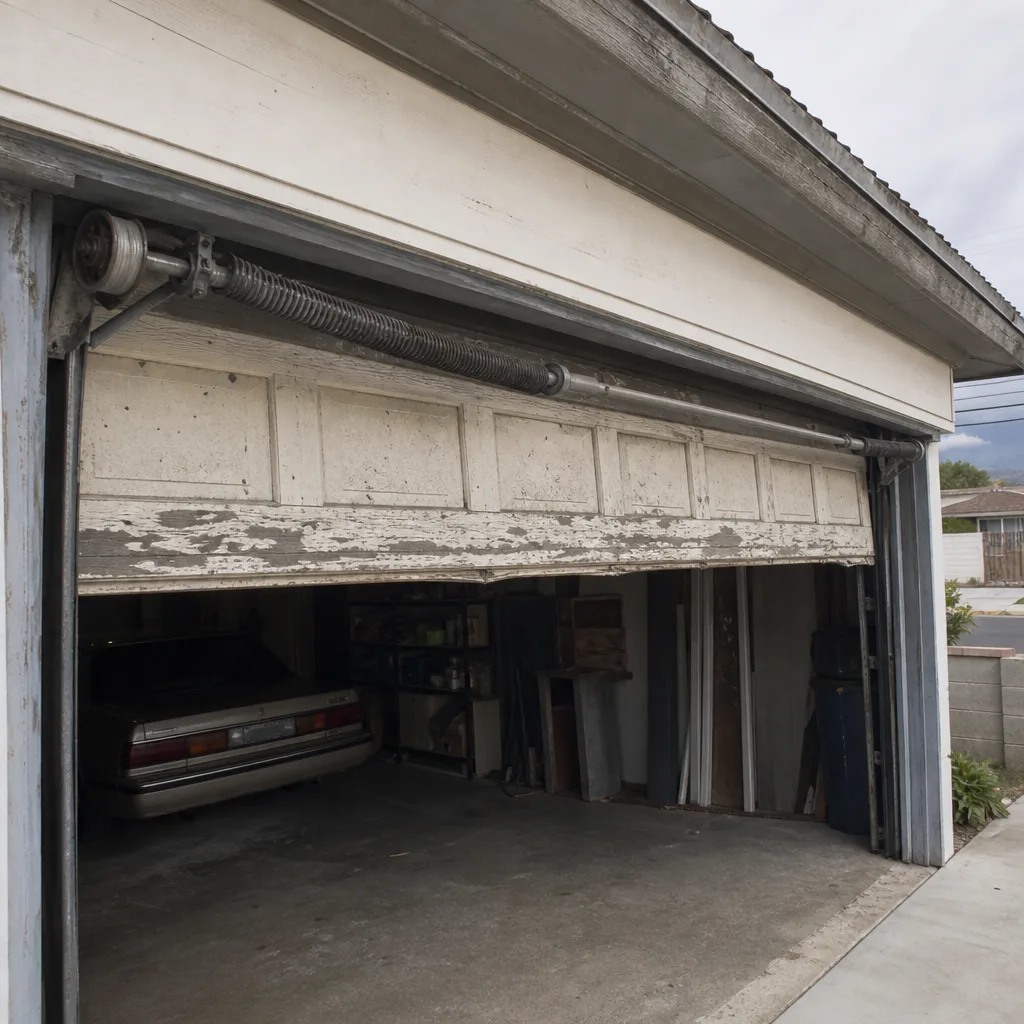 Before
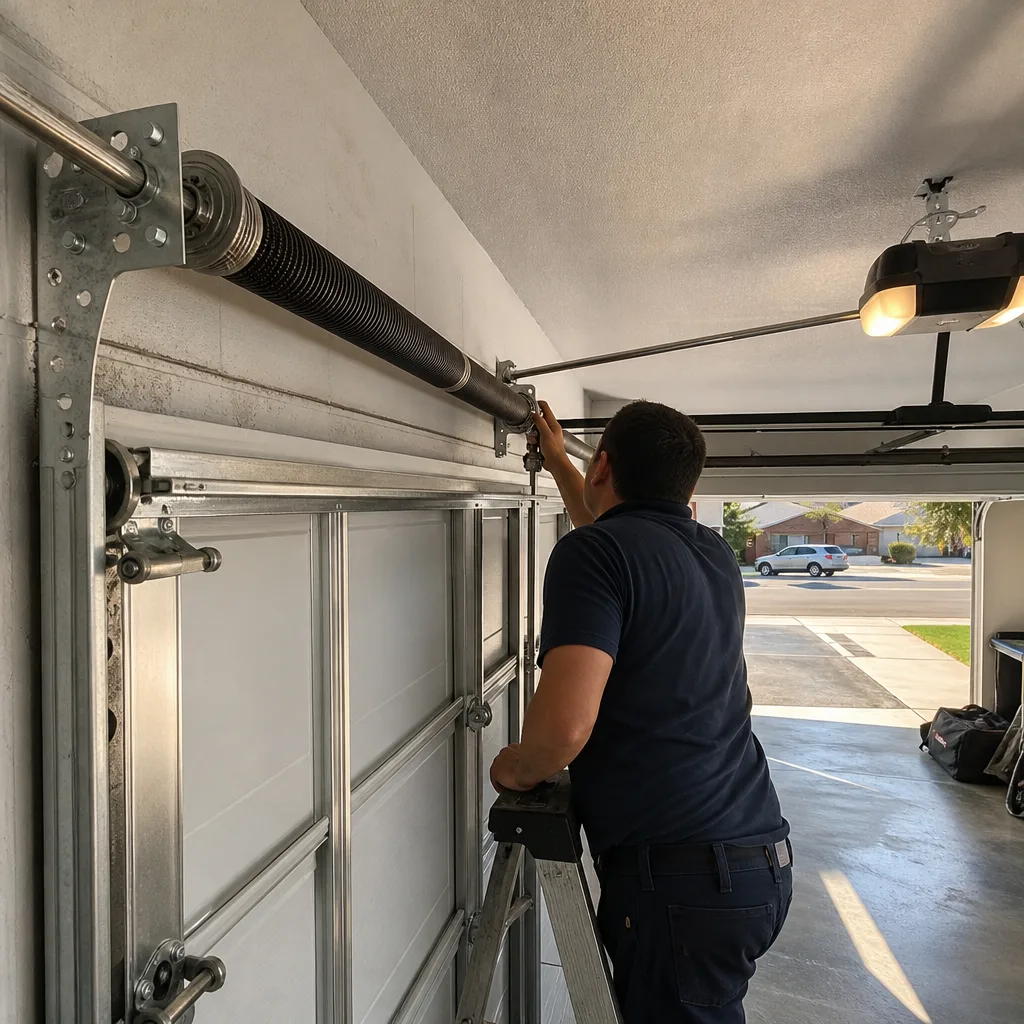 After
When to Call a Professional
You should bring in a garage door professional when the work involves a permitted installation, a fire-rated door replacement, or any situation where structural or seismic compliance is required. The liability for non-compliant work lands on the property owner, not the installer. A specialist who deals with Downey’s permit process weekly will handle the documentation, the plan check, the inspections, and the sign-off without you having to navigate the code requirements yourself. We also recommend professional help any time a garage door spring or cable needs replacement – those components are under extreme tension and require specific training and tools. If you’re in Downey and need a door inspected, a permitted installation started, or an unpermitted job brought up to code, Garage Door Service Downey offers free estimates in Downey – call (844) 734-1196. Browse our more guides & resources for additional help.
Frequently Asked Questions
No, if the replacement is truly like-for-like: same size, same type, same opening, no structural changes. Yes, if the opening changes size, the door type changes, or the replacement involves a fire-rated door between the garage and living space.
Retroactive permit fees in Downey vary based on the work’s valuation, but you should expect the permit fee plus any applicable penalty multipliers. Total cost for a simple like-for-like retroactive permit typically runs $300-$800 including fees and inspection. Call Downey Building & Safety for your specific case, and call (844) 734-1196 for the garage door work itself.
Yes. Under CBC Section 406, any door connecting an attached garage directly to living space must be either a solid wood door at least 1-3/8 inches thick, a solid or honeycomb-core steel door at least 1-3/8 inches thick, or a 20-minute fire-rated door assembly with self-closing and self-latching hardware.
Yes. Downey’s Building & Safety Division processes retroactive permits routinely. The process involves a plan review, identification of code deficiencies, corrections to bring the work into compliance, and then final inspections. It’s more expensive than pulling the permit upfront, but it’s the only way to get unpermitted work onto the books legally.
A seismic disconnect switch is a California-required device that shuts off the garage door opener mechanism during significant ground motion, preventing the door from opening or closing on its own during an earthquake. Older openers predating this requirement lack the device, which can be flagged during permit inspection or home sale.
Yes, it frequently does. California sellers must disclose known unpermitted work, and buyers’ inspectors and lenders routinely check permit history during escrow. A non-compliant garage door discovered during a home inspection can delay closing, reduce your sale price, or give the buyer leverage to demand repairs and credits. Fixing it before listing is almost always cheaper than fixing it mid-escrow. For a free garage door inspection in Downey, call (844) 734-1196.
The Bottom Line
California garage door permits aren’t red tape – they’re the enforcement mechanism for fire safety, seismic resilience, and structural integrity rules that genuinely protect your home and your family. In Downey, the rules follow the state code with local enforcement at the Building & Safety Division. Like-for-like replacements are usually exempt, but the moment you change the opening, the door type, or the fire separation between garage and house, you’re in permit territory. Unpermitted work surfaces during home sales with painful regularity. The fix is always cheaper and faster before escrow than during it. If you’re planning garage door work in Downey and want a specialist who handles permits as part of the job, our team at Garage Door Service Downey can help you get it right the first time. Call (844) 734-1196 for a free estimate. For more on our services, see our Garage Door Repair in Downey, Garage Door Installation in Downey, and Garage Door Opener Repair in Downey pages, or start at our Garage Door Service Downey home page.
Written by the team at Garage Door Service Downey, serving Downey since 2016.