
Last updated November 2, 2026
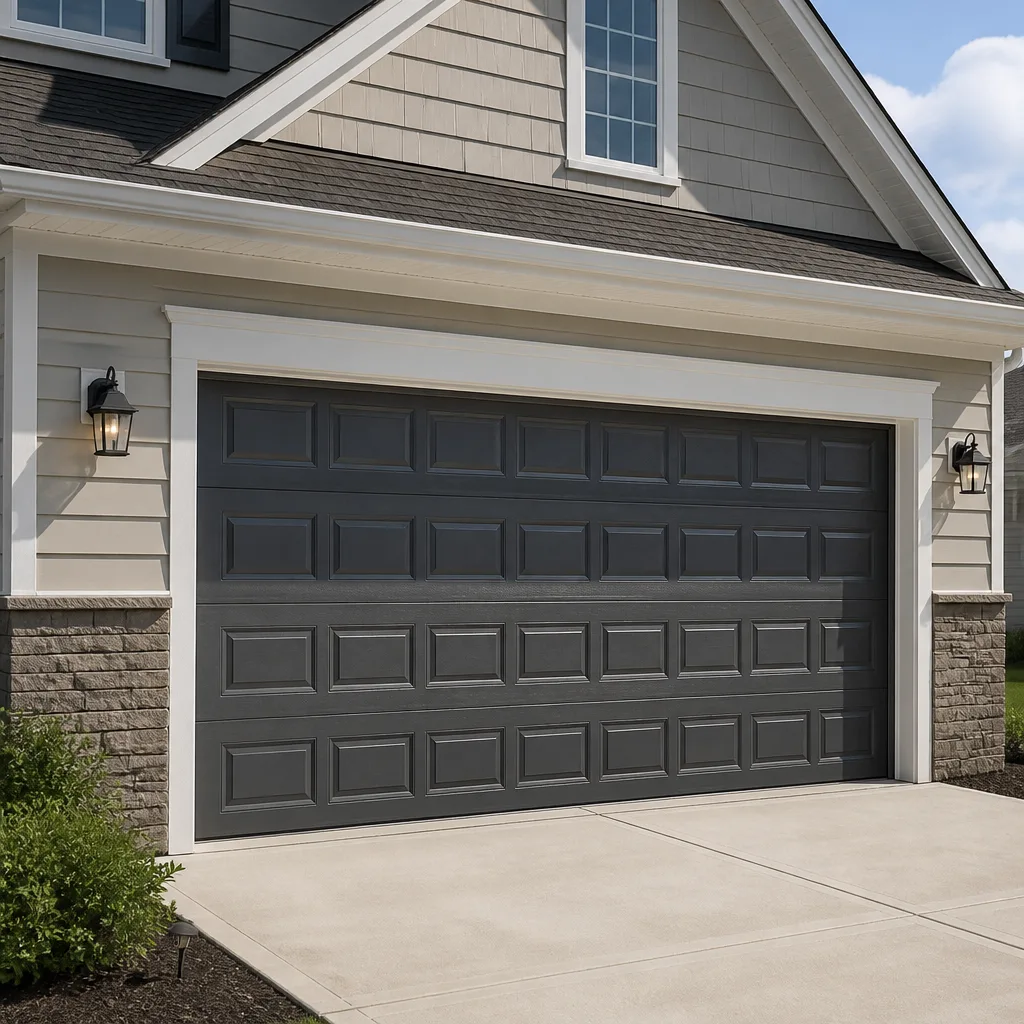 Raised-panel steel
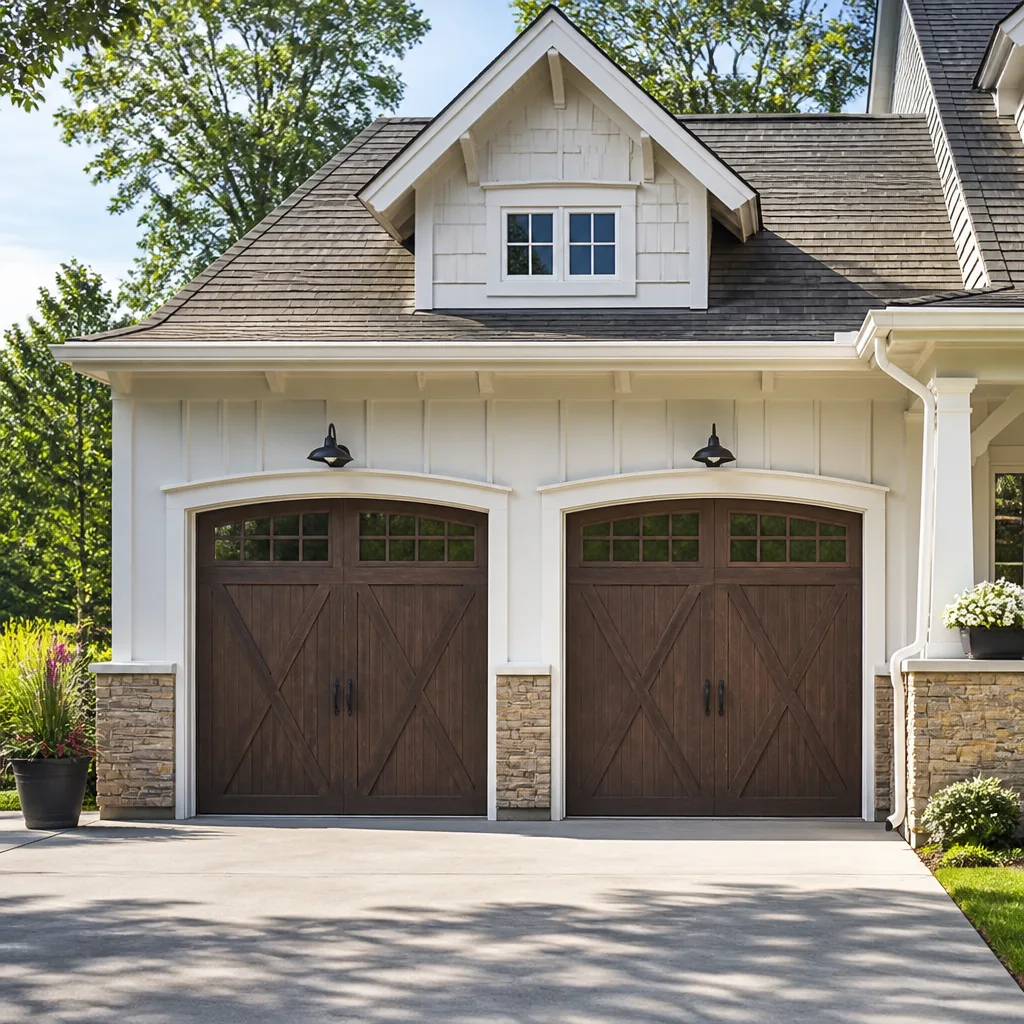 Carriage house
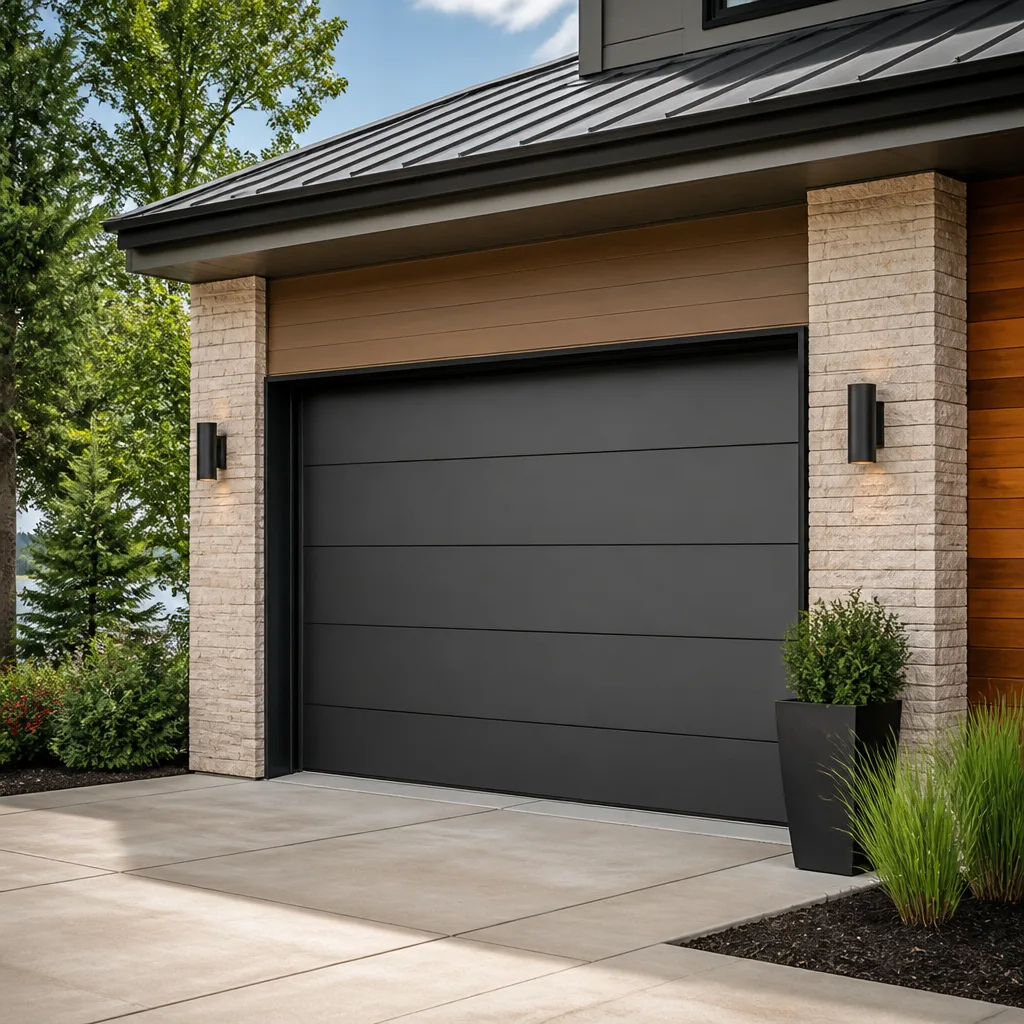 Modern flush
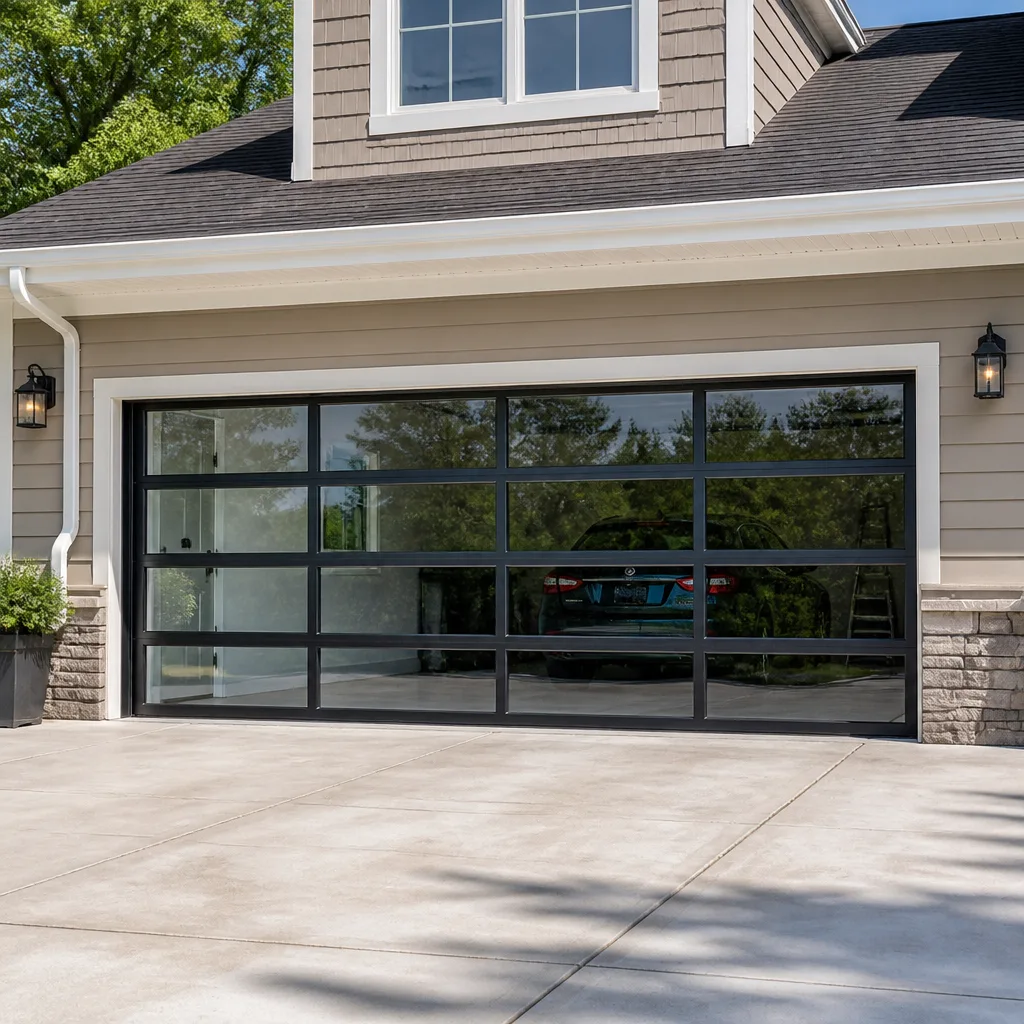 Full-view glass
 LiftMaster openers
 Chamberlain openers
Full 25-point door and opener safety check with every visit - springs, cables, rollers, tracks, and your LiftMaster or Chamberlain opener included
You get a price before we start. It does not change when the truck arrives.
Get your free estimateHow to Hire a Garage Door Contractor in Downey: A Step-by-Step Guide
California’s CSLB license lookup takes 30 seconds, yet most homeowners who get burned by a bad contractor admit they never checked. In LA County alone, complaints against unlicensed garage door operators run into the hundreds every year, and Downey is not exempt. A garage door is the heaviest moving object in your home, and hiring the wrong person to fix it can cost you thousands in property damage, an uninsurable liability claim, or a door that fails again in six months. This guide walks you through exactly how to vet a garage door contractor in Downey before they ever set foot in your driveway: the license to check, the questions to ask, the line items a legitimate estimate must have, and the red flags that signal a bait-and-switch operator. For The Complete Garage Door Repair Guide for Downey Homeowners, see our dedicated resource.
Quick Answer
To hire a garage door contractor in Downey, verify their California C-28 (Lock and Security Equipment) or B (General Building) license on the CSLB website, confirm they carry liability insurance and workers’ comp, ask five specific questions that expose bait-and-switch operators before they quote, and require a written estimate with line-item parts, labor, and spring specifications before any work starts. A dedicated garage door specialist will pass all of these checks in under ten minutes; a generalist handyman usually won’t.
Styles & brands we work with
- Raised-panel steel
- Carriage house
- Modern flush
- Full-view glass
- LiftMaster openers
- Chamberlain openers
Table of Contents
- Step 1: Check the CSLB License (And Know Which Classification Matters)
- Step 2: Verify Insurance and Workers’ Comp Before They Arrive
- Step 3: The Five Interview Questions That Expose a Bait-and-Switch Operator
- Step 4: What a Legitimate Written Estimate Must Include
- Step 5: Why a Dedicated Garage Door Specialist Beats a Handyman
- Step 6: What Downey Homeowners Need to Know About Local Conditions
- Step 7: Red Flags to Watch For in the First 10 Minutes
- Common Mistakes to Avoid
- When to Call a Professional
- Frequently Asked Questions
Step 1: Check the CSLB License (And Know Which Classification Matters)
Anyone doing garage door work in California for more than $500 in labor and materials must hold a contractor’s license from the Contractors State License Board (CSLB). The quickest way to verify a contractor in Downey is to go to cslb.ca.gov, click “Check a License,” and enter the name or license number they gave you. If nothing comes up, or if the name on the license doesn’t match the name on the quote, stop right there.
But the license number itself isn’t enough. You need to check the classification. Garage door work in California falls under two possible licenses: C-28 (Lock and Security Equipment Contractor) or B (General Building Contractor). A C-28 license specifically covers locks, safes, and garage door systems, including openers and access controls. A general B license allows a contractor to take on larger projects that include garage door installation as a component, such as a new garage build or a full exterior remodel. A C-28 holder is the most specialized license for this trade.
Here’s how to read the license lookup screen once you find the contractor:
- License status: Look for “Active.” Anything else (Expired, Cancelled, Suspended) is a hard stop.
- Classification: Confirm C-28 or B. A plumbing license (C-36), electrical license (C-10), or landscaping license (C-27) does not authorize garage door repairs.
- Business name and address: Make sure they match what the contractor told you. Mismatched names are a classic sign of someone borrowing or leasing a license from another entity.
- Bond and insurance status: The CSLB requires a contractor’s bond. If the bond shows “Inactive,” the license is effectively useless.
We’ve seen Downey homeowners accept quotes from people carrying a business card with a license number that belonged to a dissolved corporation. Thirty seconds on the CSLB site would have caught it. When you call our office, our license details are available on request, and we encourage every prospective customer to look us up before booking. A contractor who’s offended by a license check is telling you something about how they operate.
Step 2: Verify Insurance and Workers’ Comp Before They Arrive
If an uninsured worker gets injured on your property in Downey, you are on the hook. California law makes property owners liable for injuries sustained by uninsured contractors or their workers on the job. That means a torn ligament, a fall from a ladder, or a hand injury from a spring under tension can become a lawsuit against your homeowner’s insurance, or worse, against you personally. This is not a hypothetical. It’s one of the most common ways a “cheap” garage door repair turns into a five-figure nightmare.
Ask for two things before you schedule a visit:
- Certificate of liability insurance: This should show general liability coverage, in force, with your contractor’s name on it. Don’t accept a verbal “we’re insured” or a copy of a policy that expired three months ago.
- Workers’ compensation certificate: In California, contractors with employees are required to carry workers’ comp. If the person who shows up at your house is an employee and the contractor has no workers’ comp policy, you inherit the liability for any workplace injury. Sole proprietors with no employees can be exempt, but you should see that exemption in writing before accepting it.
You can also check the CSLB’s website for the contractor’s current bond and insurance status. The bond is a $25,000 consumer protection requirement, not a replacement for liability insurance, but it’s a baseline signal that the contractor filed proper paperwork with the state. We carry both liability insurance and workers’ compensation, and we’re happy to provide certificates to any Downey homeowner who asks. The request takes one minute, and the answer should be instant.
Step 3: The Five Interview Questions That Expose a Bait-and-Switch Operator
Bait-and-switch pricing is documented in the Southern California garage door industry, and the pattern is predictable: a lowball quote over the phone, a technician arrives and “finds” extra damage, and the final invoice is two to three times the original figure. You can stop this before the tech knocks on your door by asking these five questions on the first call or when you request a quote:
- “What brand is my current door and opener, and what are the known failure points for that brand?” A specialist answers immediately: a Wayne Dalton TorqueMaster system has a concealed spring that requires different tools than a standard torsion setup. A Craftsman opener from the early 2000s often has gear wear in the drive assembly. A handyman says “I’ll take a look when I get there.” That’s the difference between training and guessing.
- “Will you give me a written estimate before starting work, and is that price binding?” A legitimate contractor says yes without hesitation, and puts it in writing. Anyone who insists on a verbal quote or says “we’ll figure it out once I’m there” is already positioning to revise the price upward.
- “Do you carry torsion springs, extension springs, cables, rollers, and opener parts on your truck right now?” A real garage door service keeps common parts in the vehicle. If the answer is “I’ll need to run to the hardware store,” you’re paying for someone else’s lack of preparation, and you’ll likely wait longer for a door that only half works.
- “Are you doing the work yourself, or subbing it to someone else?” Subcontracting is legal, but it separates the person who quotes the job from the person who does the job. That gap is where quality drops and blame gets shuffled. We do all our own work in Downey. The person who gives you the price is the person holding the wrench.
- “What’s your warranty on parts and labor, and will you put it in writing?” A specialist has a clear warranty policy. A generalist often dodges this, or gives a verbal promise that evaporates the first time you call back with a problem.
Ask these questions in order. By question three, you’ll know whether you’re talking to a garage door specialist or a person with a pickup truck and a YouTube account.
Step 4: What a Legitimate Written Estimate Must Include
Once you’ve heard the right answers, you need the right paperwork. A legitimate written estimate for garage door work in Downey has specific line items. If any of these are missing, or if the estimate is a single dollar figure scrawled on a business card, ask for a proper breakdown before approving anything.
Here’s what the estimate should show:
- Parts, itemized by brand and part number: Not “door spring, $200.” It should read “Torsion spring, left-hand wind, 207x2x24, for a Raynor 8-foot door.” If you’re getting a new door, the estimate should name the manufacturer, model line, size, and construction (steel gauge or insulation R-value). A contractor who writes “new door, white” is not planning to order the correct panel.
- Labor, broken out from parts: One line for the work, one line for the materials. Blending them into a single price hides the margin and makes comparison impossible.
- Spring specifications, not just spring cost: Torsion springs are rated by cycle life: a 10,000-cycle spring costs more than a 5,000-cycle spring and lasts roughly twice as long. If your quote doesn’t say what cycle rating you’re buying, you’ll get the cheapest spring on the market, and you’ll be paying for another replacement in two to four years. In Downey’s climate, where we see 300-plus open-close cycles per year for an average attached garage, that difference shows up fast.
- The total price, in writing, and a statement that the price won’t change unless you approve a change order: This is the single most important sentence in the estimate. Our policy is simple: the price we quote is the price you pay, and if we find something unexpected during the work, we stop, show you the issue, and get your approval on the added cost before continuing.
- Warranty terms, in writing: Parts warranty and labor warranty, with the duration of each. Not “guaranteed,” but “parts covered for X period, labor covered for Y period.”
Red flags in an estimate include anything described only as “miscellaneous,” “additional parts as needed,” or “other repairs.” Those are open-ended line items that become surprise charges. A contractor who can’t tell you what they’re installing before they install it is not a contractor you want on your property.
Step 5: Why a Dedicated Garage Door Specialist Beats a Handyman
There is a real diagnostic difference between someone who works on garage doors every day and someone who fixes a door between plumbing jobs. Garage door systems are a combination of spring tension, cable balance, track alignment, and opener logic. The failure in one component often masquerades as a failure in another. A door that won’t close might be a sensor obstruction, or it might be a broken sprocket inside the opener, or it might be spring fatigue changing the balance point of the panel. Each has a different fix, a different cost, and a different urgency.
We work exclusively on garage doors. It’s all we do, and it shows. When a technician arrives at a Downey home, they’ve already worked on LiftMaster, Chamberlain, Genie, Clopay, Amarr, Wayne Dalton, Craftsman, and Raynor systems in the same week. If you’re weighing which system to install, our Choosing the Right Garage Door Brand: A Buyer’s Guide for Downey breaks down the differences. They know the failure patterns. They carry the parts. They don’t spend the first hour researching your opener model on their phone.
The warranty difference matters too. A handyman who installs a spring might offer a 30-day verbal “if it breaks, I’ll come back.” A specialist who installs the same spring on the same door can stand behind the work for a defined period because they know the spring was matched to the door’s weight and the opener’s strain. If the spring fails early, they replace it and absorb the cost. A generalist can’t afford to do that on a trade they only touch occasionally.
There’s also the matter of follow-through. If you call a handyman about a noisy door and they replace a roller but miss the misaligned track that caused the roller to wear, you’re calling again in three months. If we repair a door in Downey and something related fails soon after, we treat the callback as part of the job. The goal is a door that works correctly for years, not a temporary fix that lasts until the next service call.
Step 6: What Downey Homeowners Need to Know About Local Conditions
Downey’s climate and housing stock create specific garage door challenges that a knowledgeable contractor accounts for. Understanding these local factors helps you ask better questions and recognize when a contractor actually knows the area.
Coastal-influenced air and hardware corrosion: Downey sits about 12 miles from the ocean, close enough that marine air reaches the city, especially in the morning. Salt-laced moisture accelerates rust on springs, cables, and hardware, particularly in garages that are also used for laundry or that lack ventilation. Galvanized or powder-coated hardware lasts longer here than bare steel. When we inspect a Downey garage, we specifically check for rust creep at the cable anchor points and the bottom panel, where moisture collects. A quote that recommends replacing just the spring without addressing corroded cable ends is leaving a future failure in place.
Older housing stock, older doors: Many homes in northwest and central Downey were built between the 1940s and 1970s. Original doors from that era are single-panel, heavy, and often retrofitted with openers that strain against their weight. The wood frames around these older openings have also shifted over decades, which means track alignment is rarely perfect. A contractor who treats every garage as a clean, square box will struggle with these homes. We measure the opening, check the header condition, and confirm the track pitch before recommending any replacement. Those steps matter twice as much in a 60-year-old Downey garage as they do in a new build.
Daily-use patterns: Most Downey homeowners park in their garage and use the door as the primary entry to the home. That’s 1,000 to 1,200 open-close cycles per year for a two-car household. Springs with a 5,000-cycle rating last about four to five years under that load. A 10,000-cycle spring roughly doubles that. If your last spring failed in under four years, you likely got a low-cycle part. Ask for the rating on the replacement.
Permit reality: For a straightforward swap of an existing garage door, Downey does not require a city permit. The work falls under routine maintenance and replacement. However, if you’re changing the opening size, modifying the header, or building a new garage, that’s construction work and may require a building permit through the City of Downey’s Building and Safety division. A contractor who casually says “we don’t need permits” on a structural change is giving you bad counsel. For any genuine door replacement, the concern isn’t the city permit; it’s the contractor’s license and insurance, covered in Steps 1 and 2 above.
Step 7: Red Flags to Watch For in the First 10 Minutes
Most bad hires announce themselves almost immediately. These are the signals we’d tell our own neighbors in Downey to watch for, and we’ve seen all of them in local garages:
- A quote given before any diagnostic check: On the phone, a contractor quotes $89 for a new spring without knowing the door size, weight, spring type, or cycle rating. That’s a marketing number, not a diagnosis. The real price gets “discovered” later, after the old spring is already off and the door is hanging open.
- Pressure to decide on the spot: “I can do it right now for this price, but if you call me back tomorrow it’ll be higher.” A legitimate contractor’s price doesn’t expire in 20 minutes. This tactic exploits urgency and fear, and it’s common among unlicensed operators working through online lead aggregators.
- No physical address or local phone number: A toll-free number with no Downey-area presence, or a Google listing with no street address, often means you’re talking to a dispatch service that will sell your job to whoever is nearby. The person who shows up may have no relationship to the company that quoted you.
- Cash-only or large upfront deposits: A reputable contractor takes payment after the work is done and doesn’t require a fifty percent deposit for a $500 repair. Cash-only demands are how unlicensed operators avoid paper trails and consumer recourse.
- Won’t put anything in writing: The estimate, the warranty, the scope of work, all verbal. When the door fails a month later, there’s no record of who did what and what they promised.
If you see even one of these signs, stop and get another quote. If you see three, you’re almost certainly dealing with an operator who does not intend to stand behind the work.
Common Mistakes to Avoid
- Hiring based on the phone quote alone: The cheapest quote often comes from the operator who’s planning to add costs once they’re in your garage. Compare the written estimate, not the phone number.
- Skipping the license check because “he seemed nice”: Personal rapport is not a substitute for a CSLB lookup. The state database exists precisely because smooth-talking unlicensed operators thrive on trust.
- Assuming homeowner’s insurance covers everything: If an uninsured contractor gets injured on your Downey property, your insurer may deny the claim or raise your rates after paying it. Your policy protects you from your own negligence, not from the consequences of hiring an uninsured worker.
- Replacing the opener when the door is the problem: A heavy, unbalanced door will burn through opener motors, gears, and sprockets. If a contractor sells you a new opener without measuring the door’s balance, you’ll likely need another opener in two years. We see this in Downey constantly: homeowners on their third opener because the door itself was never tuned.
- Buying a new door without understanding spring life: The door is a 20-year purchase; the spring is a 5-to-10-year wear item. A cheap quote that pairs a quality door with a bottom-tier spring saves money today and costs money in the replacement cycle. Ask what spring is included and what its rated life is.
- Not asking about brand familiarity: A Raynor door uses different spring anchoring than an Amarr, and a Chamberlain opener has different force calibration than a Genie. A contractor who doesn’t know these differences will learn on your door, at your expense. “Eight major brands, one focused team” isn’t a slogan for us; it’s the daily work.
When to Call a Professional
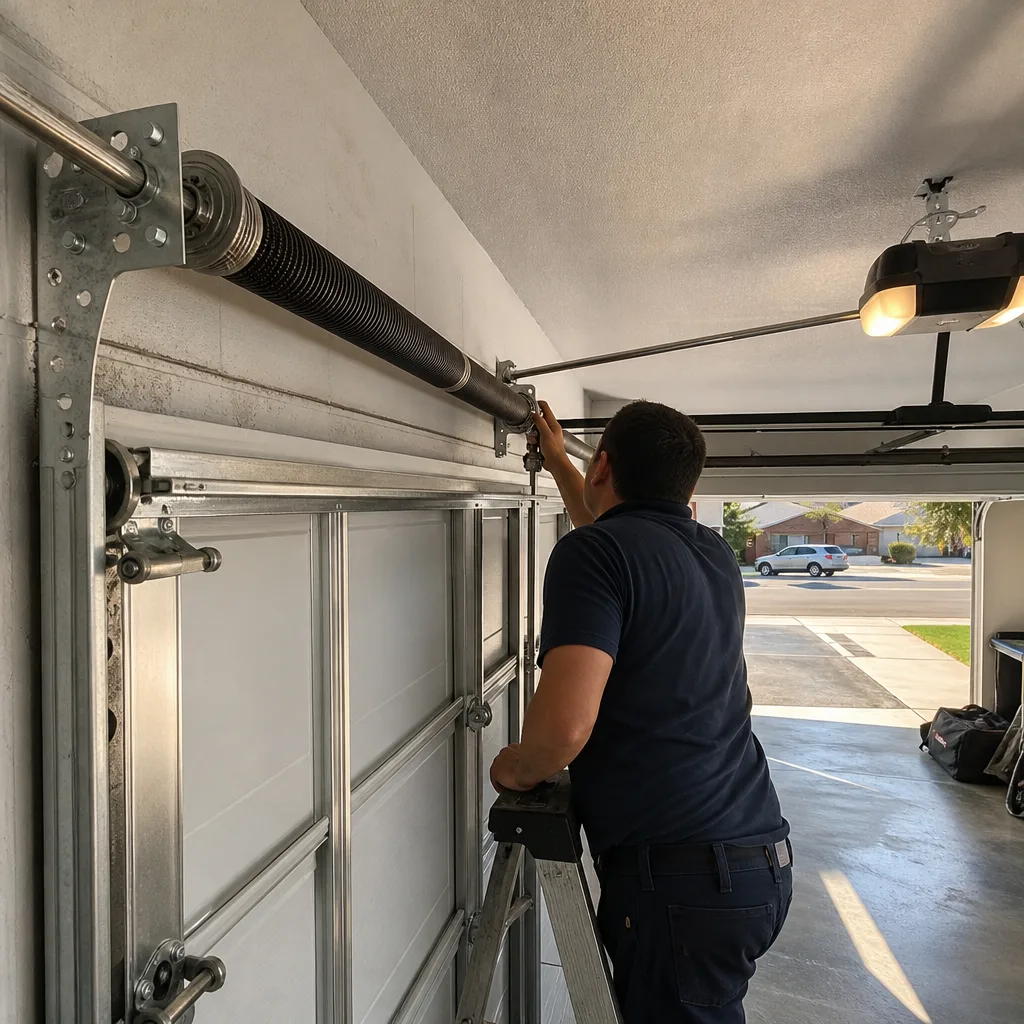
A broken spring, snapped cable, or popped roller is not a DIY-grade repair. Torsion springs hold enough tension to cause severe injury, and the winding and unwinding procedure is unforgiving if done without the right tools and training. If you hear a loud bang from the garage and the door won’t lift, the torsion spring has failed. Leave the door closed, don’t try to force it open, and call a licensed professional. The same applies to cables: a frayed or snapped cable means the door is no longer counterbalanced, and the remaining spring tension is now loaded unevenly. Don’t work under a door in that condition.
For anything beyond a simple sensor realignment or a visual inspection, call Garage Door Repair in Downey at (844) 734-1196. We provide free estimates, explain the exact part and labor cost before work begins, and the quoted price is binding unless you approve a change. For opener failures, our Garage Door Opener Repair in Downey service covers the mechanical and electronic failures that leave your car trapped. And if you’re planning to replace the door itself, our Garage Door Installation in Downey service includes brand-informed recommendations for your exact opening size and usage pattern.
Frequently Asked Questions
Most residential garage door repairs in Downey range from $150 to $450 depending on the part and the door type. A single torsion spring replacement typically lands between $200 and $350 installed, a cable replacement runs $125 to $225, and opener repairs range from $100 to $300. The final price depends on spring size, cycle rating, door weight, and whether the opener needs a new logic board or just a gear. Call (844) 734-1196 for an exact quote on your specific system; estimates are free and the price is set in writing before any work starts.
Same-day service is available for spring failures, cable breaks, and other operational emergencies, depending on the day’s schedule. We prioritize safety issues: a door stuck half-open or a spring that just snapped will be triaged ahead of routine maintenance. Call (844) 734-1196 and explain what happened, and we’ll tell you honestly whether we can get to you today or first thing tomorrow morning.
Only if the on-site diagnosis reveals a different or additional problem than the one described on the phone. The quote you receive before work starts is binding. If we find a second issue while working, we stop, show you the problem, explain the added cost, and get your written approval before proceeding. We don’t present a low phone quote and then inflate the invoice once the old parts are off.
Our technicians carry common springs, cables, rollers, hinges, sensors, and opener parts for all eight of these brands on every Downey service call. That means most repairs are completed in a single visit, not spread across multiple trips while parts are ordered. If a part isn’t on the truck, we tell you before scheduling the repair and confirm the timeline in writing. Door and opener handled in a single visit is the standard we work toward on every job.
A specialist is almost always the better call for garage door work, and the reasons are diagnostic and financial. A handyman who also does plumbing, drywall, and landscaping lacks the frequency of exposure to learn brand-specific failure patterns, and they typically can’t offer the same warranty terms because they can’t absorb the cost of a bad repair. A specialist carries the right parts, recognizes the failure the first time, and prices the job accurately because they’ve done it hundreds of times before. For a system as heavy and as frequently used as your garage door, the difference shows up in the repair’s longevity.
No permit is required in Downey for replacing an existing garage door with a new one of the same opening size, provided no structural changes are made to the header or framing. If you’re enlarging the opening, converting a carport to a garage, or modifying the structure, the project may require a building permit through the City of Downey’s Building and Safety division. For standard replacements, the important paperwork isn’t from the city; it’s the contractor’s CSLB license, insurance certificate, and written estimate, all of which Garage Door Service Downey provides on request.
The Bottom Line
Hiring a garage door contractor in Downey doesn’t have to be a gamble, but it does require five minutes of verification and the willingness to ask direct questions. Check the CSLB license and classification, confirm insurance and workers’ comp, interview the contractor on the phone before booking, and require a written estimate with line-item parts and spring specifications. Skip any contractor who quotes before diagnosing, pressures you to decide on the spot, or won’t put the warranty in writing. A specialist works exclusively on garage doors, carries the parts for the major brands, and stands behind the work with a defined warranty. That’s what we do at Garage Door Service Downey home, and what we’ve done for Downey homeowners since 2016. Call (844) 734-1196 for a free, no-pressure estimate from a team that’s already familiar with your door before we arrive.
Written by the team at Garage Door Service Downey, serving Downey since 2016. Browse more guides & resources from our team.
See the difference
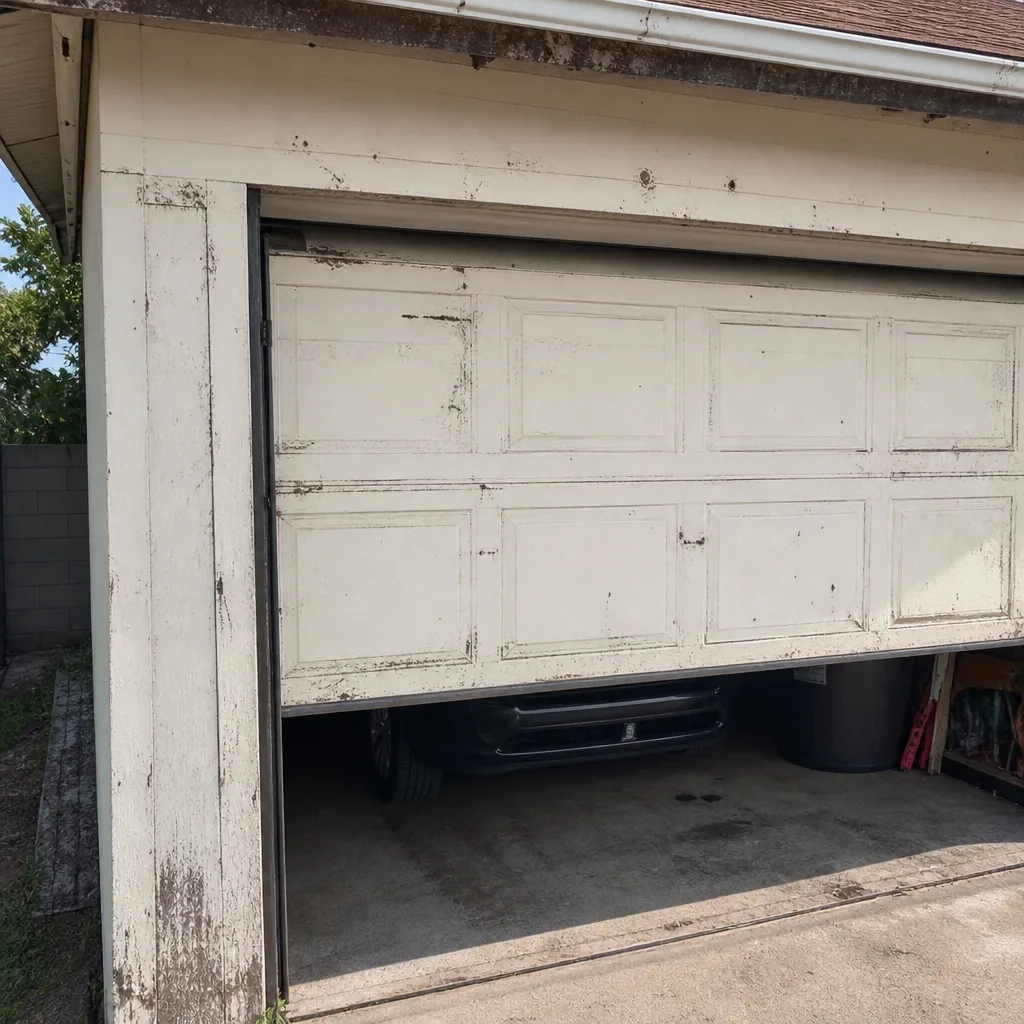 Before
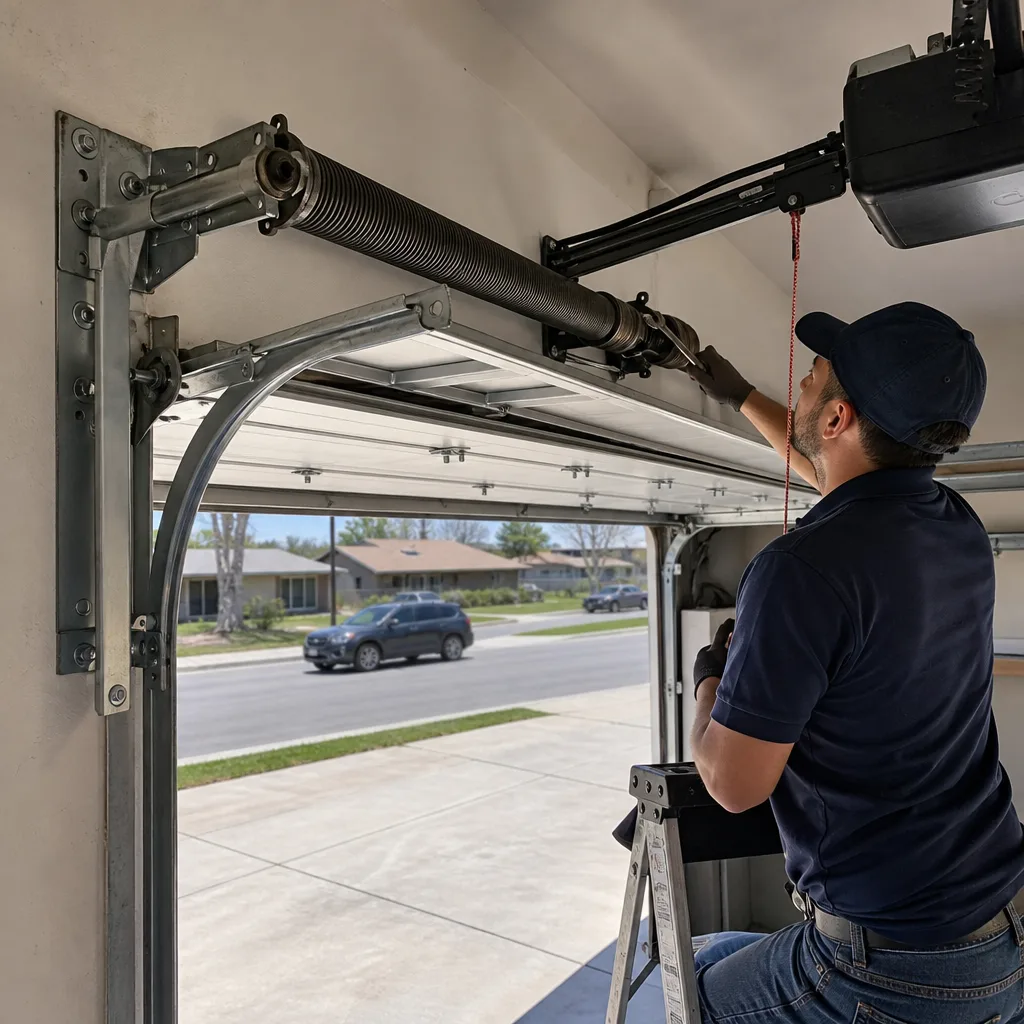 After
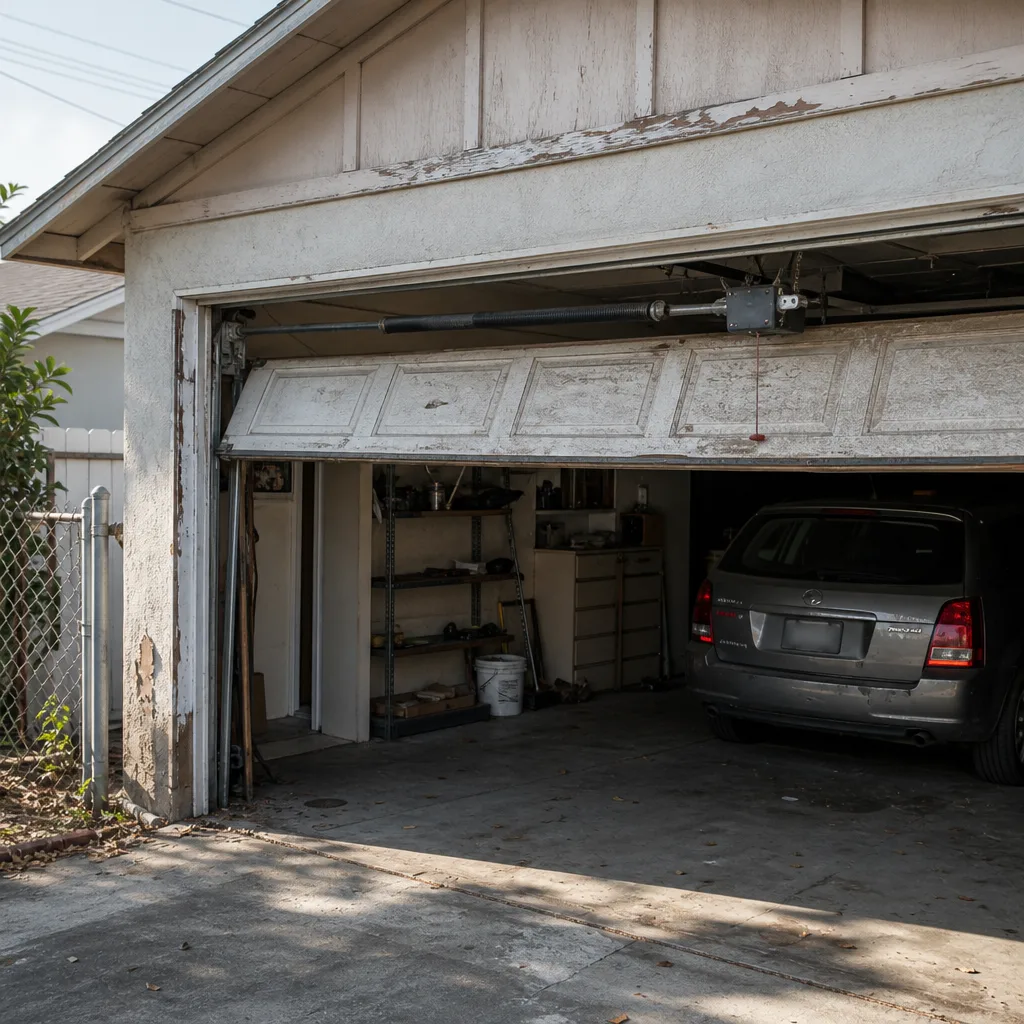 Before
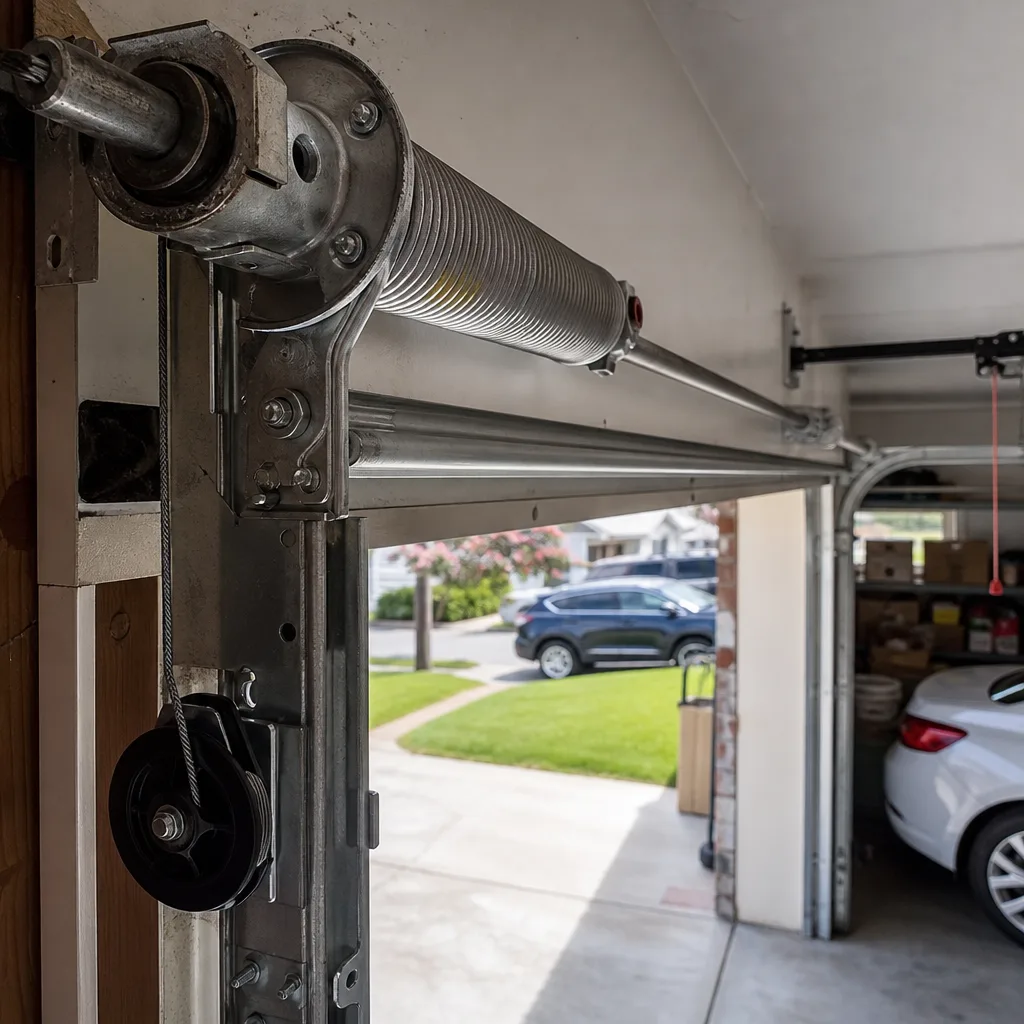 After
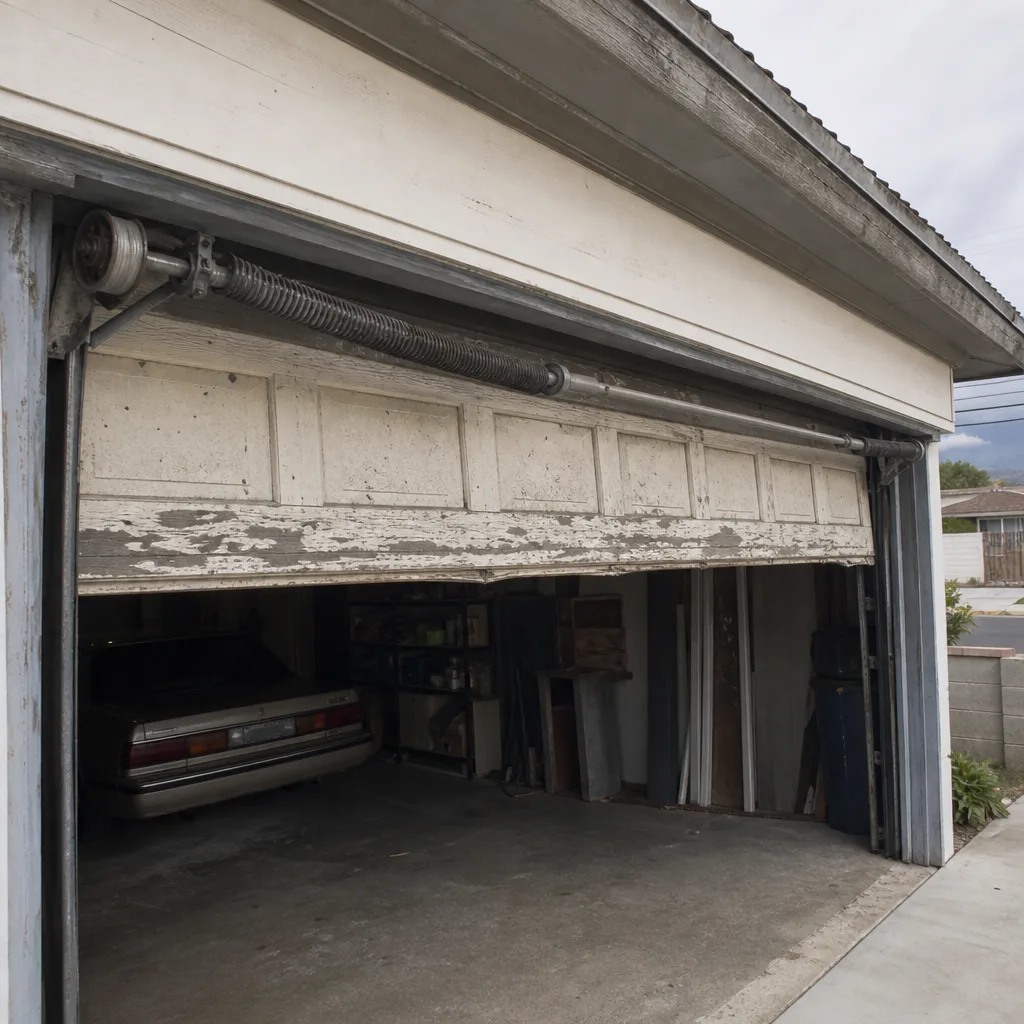 Before
 After